

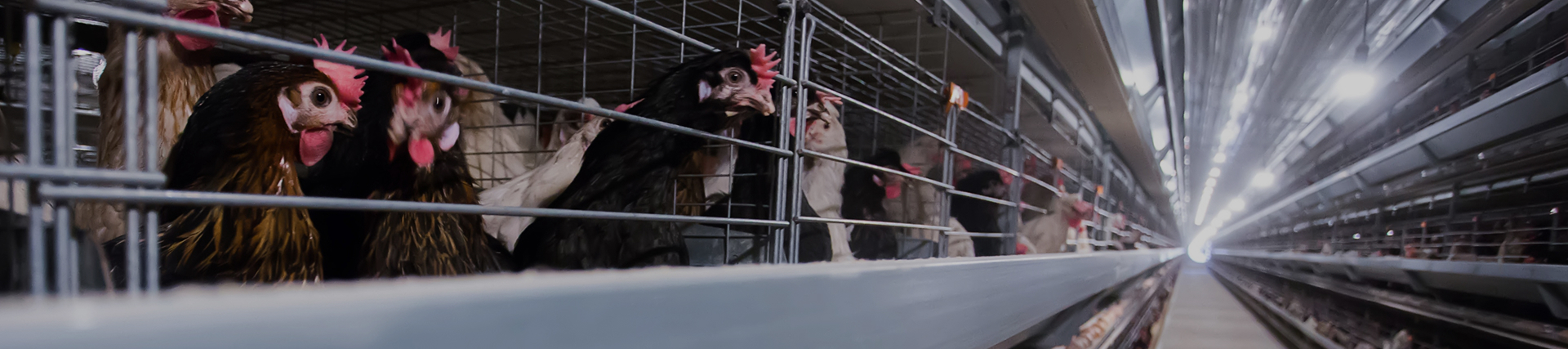
Current Market Situation in poultry climate control systems
The poultry industry has faced numerous challenges regarding climate control, with increasing concerns about poultry health and productivity in unpredictable climates. Farmers often encounter adverse environmental conditions, which can lead to a 25% decrease in egg production and increased mortality rates in chicks. Innovative poultry climate control systems offer tailored solutions that help maintain optimal temperature and humidity levels, ensuring chickens thrive in various settings. By effectively using real-time data and automation, producers can substantially improve flock performance and minimize losses, creating a healthier environment for poultry.
Key Drivers and Innovations in Poultry Climate Control Systems
Several key drivers are shaping the future of poultry climate control systems, particularly in light of the need for sustainability and efficiency. According to an industry report by USDA AMS (2021), 72% of poultry producers are now implementing smart technologies to enhance their farming processes, reflecting a significant adoption of IoT (Internet of Things) applications. Innovations such as AI-driven systems allow real-time monitoring, enabling producers to make data-driven decisions that optimize poultry health.
Emerging Trends in Poultry Climate Control Systems for 2026
1. Smart Climate Control Solutions
With AI and IoT integration, smart climate control solutions are becoming prevalent. For instance, farms equipped with automated systems report up to a 30% reduction in energy consumption while maintaining optimal conditions for livestock. Companies like littlegiant are leading the way in developing these tech-savvy applications, providing real-time climate monitoring and control.
2. Enhanced Ventilation and Air Quality Monitoring
As temperatures rise, efficient ventilation becomes crucial. Research indicates that poultry houses with advanced ventilation systems reduce ammonia levels by nearly 50%. These systems utilize sensors that adjust airflow based on real-time data, significantly improving air quality and minimizing respiratory issues in birds.
3. Sustainable Practices in Climate Control
Eco-friendly practices are increasingly influential, with 68% of consumers demanding sustainably produced poultry. To address this trend, climate control systems are now incorporating renewable energy sources, thus reducing carbon footprints. For example, farms powered by solar energy can achieve significant cost savings, with estimates suggesting a reduction in energy expenses by up to 40% over the lifespan of the system.
4. Precise Data Analytics and Reporting
The adoption of big data in poultry farming allows producers to track performance metrics with unprecedented precision. This trend is exemplified by producers who have reported improvements in growth rates of up to 15% when using analytics to inform their climate control strategies.
5. Remote Monitoring and Control Capabilities
With remote monitoring becoming mainstream, poultry farmers can now manage climate conditions from anywhere. Research by the World Poultry Organization indicates that farms utilizing remote management tools see an average 20% increase in overall efficiency, reducing the need for onsite manpower and allowing quicker responses to environmental changes.
Impact on Buyers of Poultry Climate Control Systems
As the market evolves, buyers are presented with both opportunities and challenges. The enhanced efficiency of modern systems can lead to lower operational costs and higher profit margins. However, the initial investment remains a substantial concern, as high-tech installations can exceed traditional system costs by up to 40%. Buyers must consider the long-term benefits against upfront expenses, often resulting in stronger competitor positions in a rapidly changing industry.
Practical Suggestions for Poultry Farmers
To make informed decisions about climate control systems, poultry farmers should:
- Conduct thorough market research to understand various options and their long-term impacts.
- Invest in systems that integrate smart technology for better analytics and efficiency.
- Consider sustainability as a core value; systems utilizing renewable energy can offer significant long-term savings.
- Prioritize systems with reliable vendor support, such as littlegiant, known for quality and customer service.
- Start with pilot programs to assess system effectiveness before full implementation.
Frequently Asked Questions (FAQ)
What is a poultry climate control system?
A poultry climate control system manages the environmental conditions within poultry housing, including temperature, humidity, and air quality, to create optimal living conditions for birds.
How can climate control systems improve poultry health?
By maintaining ideal environmental conditions, these systems prevent heat stress, reduce diseases, and enhance growth rates, leading to healthier and more productive flocks.
What are the benefits of using smart technology in climate control systems?
Smart technology enables precise monitoring and control of conditions, resulting in energy savings, reduced costs, and improved flock productivity through data-driven decisions.
