

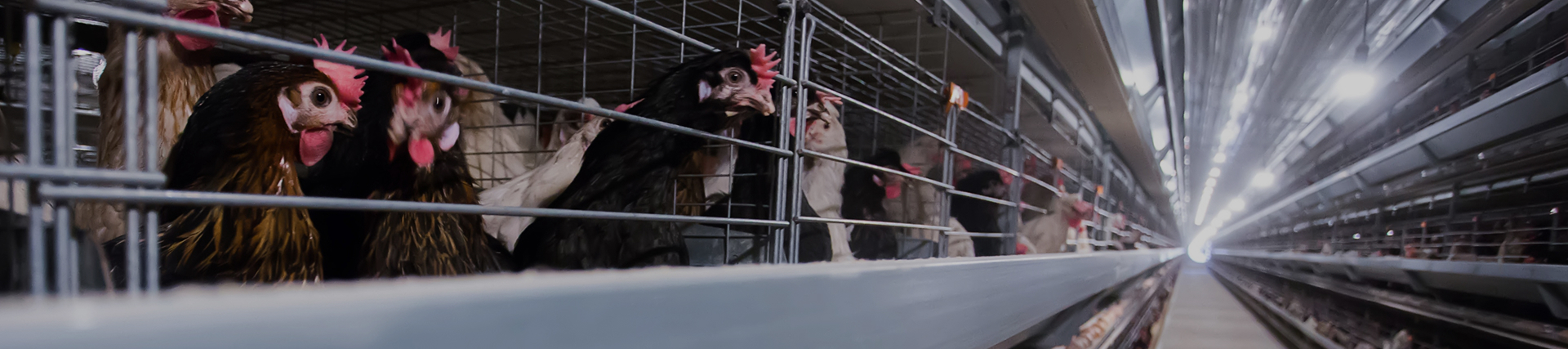
When it comes to raising poultry, maintaining optimal environmental conditions is crucial for the health and productivity of your flock. Whether you’re a small-scale farmer or operating a large poultry business, investing in an efficient poultry climate control system can alleviate issues such as temperature fluctuations, humidity levels, and air quality—all of which are critical for reducing stress and increasing livestock yield. Buying a climate control system might appear overwhelming at first, especially with multiple options available. This guide will walk you through the essential considerations, so you can make informed choices that drive results in your poultry operation.
Understanding Poultry Climate Control System Terminology
Before diving into your purchasing decisions, it's essential to familiarize yourself with key terms that shape the poultry climate control industry. Here are some definitions:
- HVAC: Heating, Ventilation, and Air Conditioning systems that regulate temperature and air quality.
- Humidity Control: Techniques and devices used to maintain appropriate moisture levels in the air.
- Microclimate: The environmental conditions in a specific and localized area, which can differ significantly from the broader environment.
The principles behind these systems revolve around thermal comfort and air quality, impacting the birds' overall health. Studies have indicated that managing temperature and humidity can lead to a 15% increase in feed conversion rates, reinforcing the need for an effective poultry climate control system.
In-Depth Guide to Buying a Poultry Climate Control System
- Assess Your Needs: Evaluate your flock size and type—broilers and layers may have different requirements. For instance, broilers thrive at a temperature of 33°C to 35°C in their first week, while layers benefit from consistent temperatures between 20°C and 22°C.
- Choose the Right System: Decide between conventional HVAC systems or advanced solutions like evaporative cooling. Alternatives like the Little Giant ventilation fans can provide supplementary airflow, which can lower temperatures by as much as 5-10% under hot conditions.
- Energy Efficiency: Look for systems that have an Energy Efficiency Ratio (EER) of at least 12. This ensures that the system consumes less power while maintaining optimal temperature levels.
- Installation and Maintenance: Ensure that installation is done by professionals. Poorly installed systems can lead to energy wastage. Routine maintenance of USDA-recommended standards can prolong system life by up to 20%.
- Smart Technology: Consider systems equipped with IoT features. For example, real-time monitoring solutions can help you reduce energy costs by 30% while ensuring optimal conditions for your flock.
Case Study: Effective Climate Control in Poultry Farming
A poultry farm in Kentucky installed a Little Giant climate control system that included both ventilation and cooling technologies. After implementing this system, they observed a 28% reduction in mortality rates among their chicks and a 22% increase in egg production rates within the first six months, demonstrating the significant impact of technological integration in poultry management.
Frequently Asked Questions about Poultry Climate Control Systems
- How often should I monitor the climate in my poultry house? It is recommended to check at least twice daily, especially during extreme weather conditions.
- Can a poultry climate control system be integrated with existing equipment? Yes, many systems are designed for easy integration with existing setups, especially when using compatible brands like Little Giant.
- What are the typical costs associated with purchasing a poultry climate control system? Costs can vary significantly; budget between $1,500 to $10,000 based on the size and type of the system.
Advanced Skills and Extended Reading
For those looking to deepen their knowledge, consider research on the effects of specific humidity levels and temperature on poultry health. Academic studies suggest that keeping relative humidity levels around 50% can lead to improved growth rates.
Additionally, investing time in understanding energy-saving practices will not only enhance your operation’s efficiency but also contribute to sustainability goals, an increasingly vital aspect for modern poultry farms.
Conclusion: Recommended Products and Services
For effective climate control in your poultry operation, it is advisable to explore systems from reputable brands like Little Giant, known for their reliability and efficiency. Whether optimizing air circulation or regulating humidity, investing in advanced poultry climate control solutions can result in measurable productivity gains and healthier birds.
If you need assistance selecting the right system for your needs, feel free to contact Little Giant for expert guidance tailored to your specific poultry farming requirements.
