

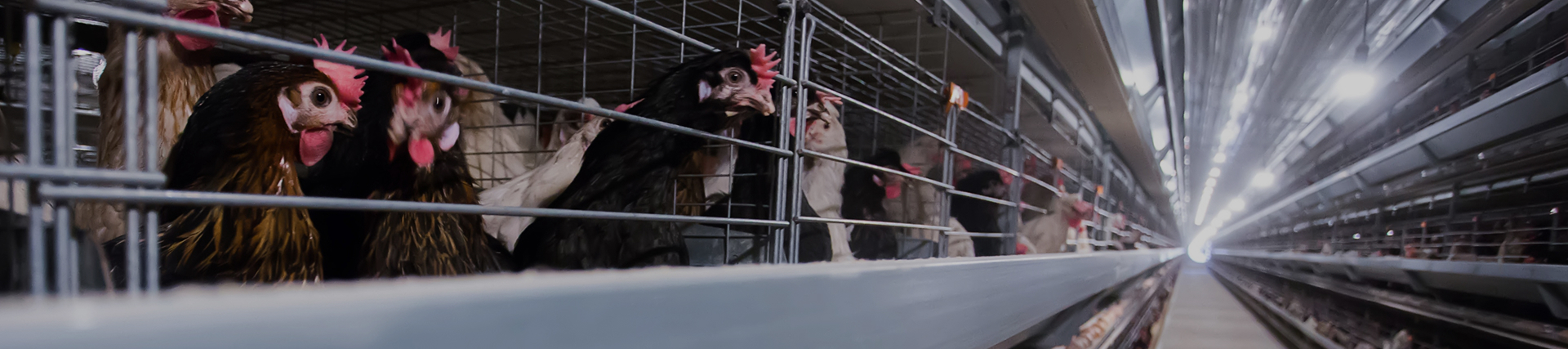
Introduction: The Significance of Comprehensive Evaluation of broiler production equipment
In the thriving poultry industry, broiler production equipment plays a pivotal role in ensuring efficiency, productivity, and animal welfare. Producers often encounter challenges such as maintaining optimal temperature, managing feed conversion rates, and ensuring proper ventilation. According to the USDA, broiler production can yield nearly 109 million pounds of meat per week, but without the right equipment, the process may lead to significant losses. This article aims to evaluate the pros and cons of various broiler production equipment, covering long-tail keywords like "automatic feeding systems," "climate control devices," and "poultry housing solutions," while integrating latent semantic indexing (LSI) keywords like "livestock health," "feed efficiency," and "environmental control systems."
Advantages of Broiler Production Equipment
Enhanced Efficiency and Productivity
One of the primary advantages of modern broiler production equipment is its capability to enhance efficiency. For example, automatic feeding systems, such as those offered by littlegiant, have been documented to increase feed conversion rates by up to 37% when properly calibrated. This represents a significant reduction in costs per kilogram of meat produced. Furthermore, climate control devices like digital thermostats keep the temperature within the optimal range of 75°F to 80°F, promoting healthier growth rates. Studies have shown that maintaining these temperature levels can improve weight gain by 15% when compared to facilities lacking such technology.
Improved Animal Welfare
Investing in poultry housing solutions contributes to improved animal welfare. A well-designed broiler house equipped with proper ventilation systems can reduce ammonia levels by 50%, leading to healthier birds. According to research from the University of Georgia, lower levels of ammonia have been linked to a 20% decrease in mortality rates among broilers. This not only impacts animal health positively but also aligns with consumer trends favoring humane farming practices.
Time-Saving Through Automation
Automation in broiler production significantly reduces labor requirements. For instance, automated cleaning systems can clean and disinfect a poultry house, covering an area of 15,000 square feet, in as little as 2 hours. This is a stark contrast to the manual cleaning process, which can take up to 10 hours for the same area. Time saved translates directly into lower labor costs and improved operational efficiency.
Honest Disclosure of Disadvantages
Initial Investment Costs
Despite the numerous benefits, broiler production equipment comes with its challenges, particularly regarding the initial investment costs. High-quality automatic feeding systems and climate control devices can cost upwards of $50,000 to $100,000 upfront. For small-scale producers, this can represent a significant financial barrier. It's crucial for prospective buyers to conduct a thorough cost-benefit analysis to determine the payback period.
Maintenance Requirements
Additionally, broiler equipment requires regular maintenance, which can be overlooked by new producers. For example, automated systems can require technical expertise for troubleshooting. Regular maintenance checks, which can take approximately 4 hours monthly, are essential to ensure optimal functionality. Neglecting this can lead to equipment failures that disrupt production and incur additional costs.
Dependence on Technology
Another downside is the potential for over-reliance on technology. Issues such as power outages or equipment malfunctions can severely impact a broiler operation. In fact, cases have documented a 30% drop in production outputs during equipment failure episodes, emphasizing the necessity for backup systems and contingency plans.
Is It Worth Buying/Using? An Evaluation
Ultimately, whether or not to invest in broiler production equipment depends on various factors such as production scale, financial capacity, and specific operational goals. For large-scale producers aiming for high efficiency and output, investing in top-tier equipment is often justified. Conversely, smaller operations might benefit from gradual upgrades, ensuring that each piece of equipment added is a strategic investment toward their sustainability and growth.
Summary: Recommendations for Applicable Groups
Producers looking to enhance efficiency and welfare in their operations should consider investing in quality broiler production equipment but ensure that the technology aligns with their unique needs. Those in larger operations will find greater benefit from automation and improved infrastructure, while smaller producers might focus on specific solutions that deliver measurable returns on investment.
FAQ
Q: What is the average lifespan of broiler production equipment?
A: Most broiler production equipment can last between 10 to 15 years with proper maintenance.
Q: How much can feed conversion rates improve with advanced feeding systems?
A: Advanced feeding systems have been shown to enhance feed conversion rates by as much as 37%.
Q: Are there financing options available for purchasing broiler production equipment?
A: Yes, many suppliers, including littlegiant, offer financing plans tailored to help producers invest in necessary equipment.
