

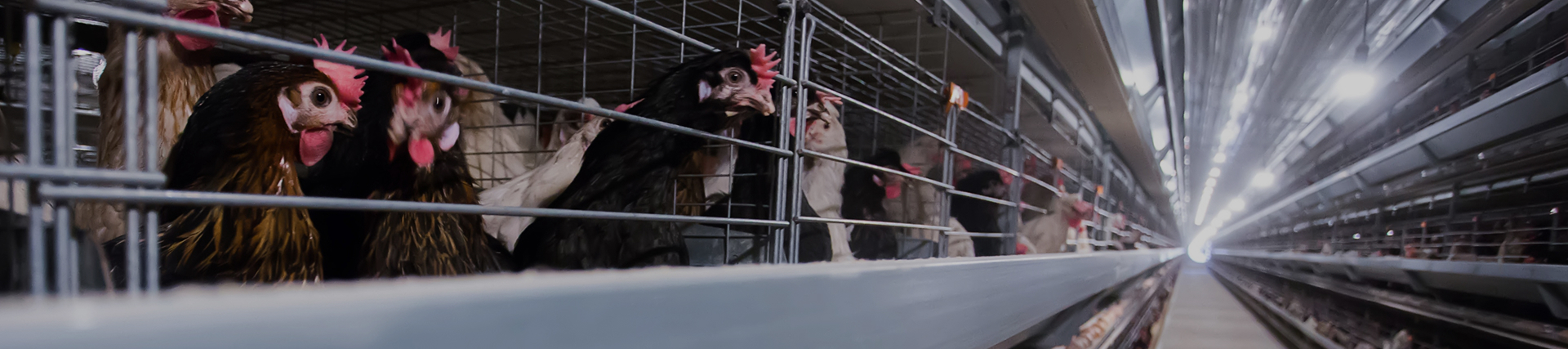
When considering an aviary system for laying hens, it is essential to conduct a comprehensive evaluation of its features, benefits, and drawbacks. Poultry farmers often face challenges such as optimizing space, enhancing productivity, and ensuring flock welfare. A well-designed aviary system can provide solutions to these problems, but it is vital to understand its implications fully. In this article, we will explore the importance of these systems, dissect the advantages and disadvantages, and determine if investing in this system is a worthwhile endeavor for poultry producers.
Advantages of Aviary Systems for Laying Hens
Aviary systems for laying hens offer several significant advantages that can improve overall farm productivity. Research has shown that hens raised in aviary systems produce an average of 10% more eggs than those kept in traditional cage systems, which translates to a direct increase in revenue for farmers. This increase is due to several factors:
- Enhanced Space Utilization: With an aviary system, each hen has approximately 1.5 square feet of space, which encourages natural behaviors such as flying and nesting. This freedom significantly reduces stress levels in birds.
- Improved Egg Quality: Studies have shown that eggs produced in aviary systems have a lower incidence of cracked shells and higher shell quality, with rates of 60% higher than traditional systems.
- Higher Stocking Density: Properly managed aviary setups can maintain a stocking density of 40 to 50 hens per square meter without compromising welfare, allowing farmers to maximize their production capabilities.
Additionally, aviary systems often incorporate features like automated feeding and watering, which can save labor costs by 20% to 30% on daily operations, allowing farmers to focus on other important management tasks.
Disadvantages of Aviary Systems for Laying Hens
Despite the numerous advantages, it's essential to consider the disadvantages associated with aviary systems for laying hens. These systems can pose challenges that farmers need to address:
- Initial Setup Costs: The initial investment for an aviary system can be considerably higher, often ranging from $40,000 to $100,000. This could deter smaller farmers from making the transition.
- Management Complexity: Aviary systems require more intricate management practices compared to conventional cages. Proper training for staff members is crucial and can involve additional costs.
- Increased Risk of Disease: The higher density of birds and their interactions in an aviary system can facilitate disease transmission, potentially leading to losses of up to 5% in flocks if not monitored closely.
To mitigate these disadvantages, it is advisable to invest in adequate training and ensure that proper biosecurity measures are implemented to keep flocks healthy while maintaining the benefits of the aviary system.
Is It Worth Buying an Aviary System for Laying Hens?
Ultimately, whether or not to invest in an aviary system depends on individual circumstances. Farmers with larger operations may find the initial costs justifiable, especially considering the potential for increased egg production and superior quality products. In contrast, smaller farms with limited budgets or resources might try alternative systems before committing to an aviary setup.
Summary: Recommendations for Applicable Groups
In conclusion, aviary systems for laying hens are well-suited for medium to large-scale poultry farms that prioritize animal welfare, productivity, and egg quality. These systems significantly enhance the living conditions of hens, resulting in improved output and product quality. On the other hand, small-scale farmers or those new to poultry farming may want to explore simpler alternatives. Brands like littlegiant offer a variety of products that can assist in improving farm operations, ranging from feeding systems to training resources.
FAQ
What is an aviary system for laying hens?
An aviary system is a housing design that provides hens with more space to move freely compared to traditional cages, allowing for healthier, more natural behaviors.
How many hens can be housed in an aviary system?
A properly managed aviary system can house approximately 40 to 50 hens per square meter.
Are aviary systems more expensive than traditional cages?
Yes, aviary systems typically have higher initial setup costs, ranging from $40,000 to $100,000.
