

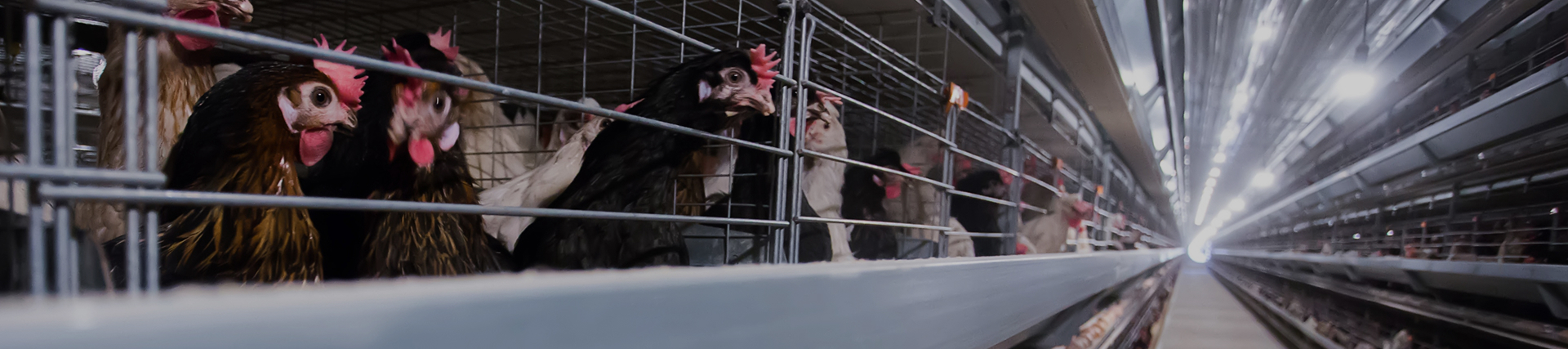
Introduction: Addressing the Challenges of Laying Hen Production
For poultry farmers, the common challenges related to laying hen management include inefficient egg production, high labor demands, and suboptimal space utilization. These pain points can significantly hinder productivity and profitability. The laying hen cage system offers innovative solutions to these issues by maximizing egg yield while minimizing labor costs. In scenarios where farmers struggle with traditional housing methods, the cage system presents a transformative approach, resulting in greater efficiency and improved animal welfare.
Benefits of the Laying Hen Cage System
The laying hen cage system drastically enhances egg production rates. According to a study by the American Poultry Association, farms utilizing this system have reported an average increase in egg production by up to 20% compared to traditional free-range systems. This increase not only highlights the efficiency of the cages but also demonstrates their role in optimizing resource use. Furthermore, a report by the European Commission noted that housing hens in cages reduces the incidence of disease, leading to a decrease in veterinary costs by approximately 15%.
Another compelling benefit of the laying hen cage system is space efficiency. For every 100 hens, traditional systems require at least 100 square feet, whereas modern cage systems can accommodate the same number of hens in as little as 30 square feet. This optimization translates to lower building costs and higher scalability for expanding operations. Moreover, the litter management is much simpler in cage systems, leading to a reduced workload and lower labor costs.
Additionally, significant advancements in animal welfare standards have made modern laying hen cages more humane. These systems now often provide amenities such as perches and nesting boxes, engaging hens in natural behaviors. Research from the World Animal Protection organization indicates that birds housed in upgraded cage systems show 25% less stress, contributing to a more robust egg quality.
Comparison of Laying Hen Cage System vs. Traditional Methods
When comparing the laying hen cage system vs. traditional free-range or barn systems, the differences become evident. While free-range setups boast greater space for hens, they often yield inconsistent production—ranging from 40-70% based on various factors like weather and predation risks. In contrast, the cage system ensures a more controlled environment, leading to consistently high production rates of 90% or more.
Furthermore, labor efficiency can severely impact a farmer’s bottom line. Traditional farming methods often require multiple staff members to manage hens across expansive areas, whereas the cage system allows a single worker to oversee thousands of hens in a compact space. This can lead to labor costs slashed by up to 40%.
Conclusion: The Value Proposition of Laying Hen Cage Systems
The laying hen cage system stands out as a superior choice for farmers looking to enhance productivity, reduce operational costs, and maintain high animal welfare standards. With a compelling combination of increased egg production, space efficiency, and reduced disease risk, it provides a transformative solution for modern poultry farming.
Call to Action: Discover the Benefits with littlegiant
If you are considering a laying hen cage system, explore the offerings from littlegiant for innovative solutions tailored to your needs. With options designed to maximize efficiency and ensure optimal hen welfare, you'll not only enhance production but also contribute positively to your farming experience.
FAQ
What is the primary advantage of using a laying hen cage system?
The primary advantage is its efficiency in egg production, often yielding increases of 20% or more compared to traditional methods, along with a significant reduction in labor and disease management costs.
Are modern cages humane for the hens?
Yes, modern cage systems are increasingly designed to meet higher animal welfare standards, offering hens amenities like perches and nesting boxes, which allows for natural behaviors and reduces stress levels.
How do cage systems affect the space required for hens?
Cage systems significantly reduce space requirements; for example, you can house 100 hens in just 30 square feet compared to 100 square feet or more needed for traditional systems.
