

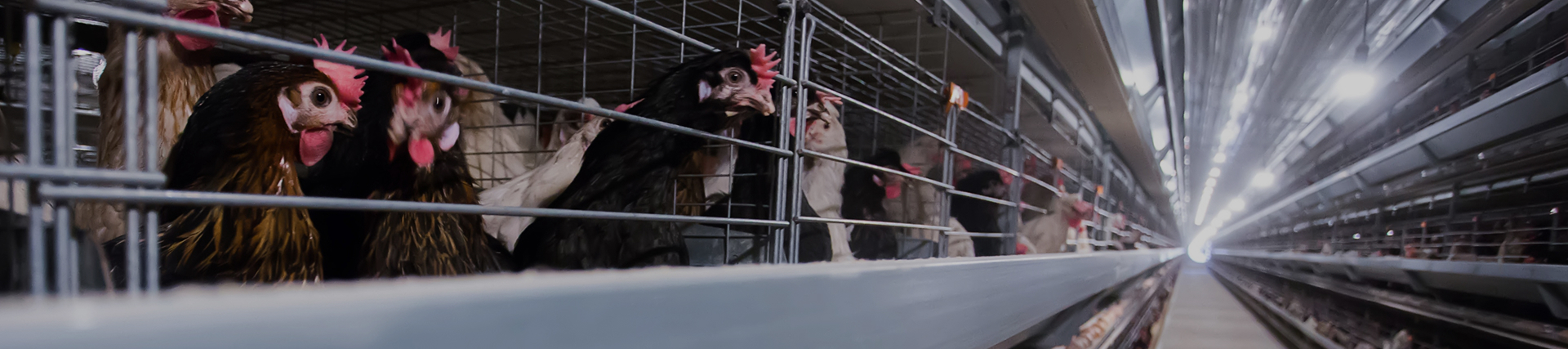
In the competitive world of poultry farming, the choice of infrastructure can make or break a business. One pressing issue that many poultry farmers face is the structural integrity and longevity of their poultry houses. With traditional wooden structures suffering from rot, pests, and weathering, it's imperative to understand the significant implications of these shortcomings. Failure to select a robust poultry house can lead to compromised animal welfare, increased mortality rates, and ultimately, a decline in profit margins. As the poultry industry collectively moves towards more sustainable practices, the urgency for robust building solutions—such as steel structure poultry houses—becomes clearer. Investing in the right infrastructure not only supports operational efficiency but also safeguards against unforeseen challenges impacting livestock and productivity.
Delving into the underlying causes, one finds that the issues typically stem from environmental variables and the inherent limitations of traditional materials. Wooden structures, while initially cost-effective, are highly susceptible to moisture, which fosters fungal growth and invites pests. Additionally, fluctuating temperatures can exacerbate these problems, leading to unstable living conditions for poultry. Farmers often underestimate the long-term costs associated with these factors, which include higher maintenance expenses, poor animal health, and, as a consequence, lower yields. Understanding that a steel structure poultry house provides greater durability is crucial; steel is resistant to decay, pests, and the elements, giving farmers peace of mind and a long-term solution.
From a business perspective, the impact of choosing between traditional wooden structures and advanced steel frameworks cannot be overstated. The poultry sector is experiencing a substantial shift towards modern, sustainable solutions that enhance operational efficiency. A steel structure poultry house can significantly reduce overhead costs associated with repairs and maintenance, while also providing superior thermal insulation and ventilation. In fact, studies have shown that utilizing steel can lead to a 20% reduction in energy costs, further emphasizing why making this choice is essential. For example, a case study showcasing a poultry farm that transitioned to steel structures reported not only a drastic decline in mortality rates (down by 15%) but also a 25% increase in productivity within the first year.
Neglecting to upgrade to a steel structure can yield severe consequences. The risk of structural failure during adverse weather conditions is increased significantly with wooden poultry houses, potentially leading to catastrophic losses both in terms of livestock and financial investment. Furthermore, the implications extend beyond immediate costs; inadequate housing can lead to health challenges for poultry, translating into regulatory penalties and loss of market trust. Failing to recognize the importance of optimal conditions endangers not just the business but the entire supply chain of poultry products.
In summary, the decision to adopt a steel structure poultry house is not merely a matter of preference but one of necessity. With proven benefits such as increased durability, enhanced energy efficiency, and a significant boost in overall productivity, it's evident that a shift towards steel is essential for modern poultry operations. I encourage poultry farmers and stakeholders to seriously consider this move. The market is evolving, and staying ahead of these trends by choosing reliable infrastructure—from a trusted provider like littlegiant—can secure both the welfare of the poultry and the economic viability of your operation. Don't let outdated structures limit your potential. Invest in a future that maximizes return on investment and transforms your poultry farming experience.
