

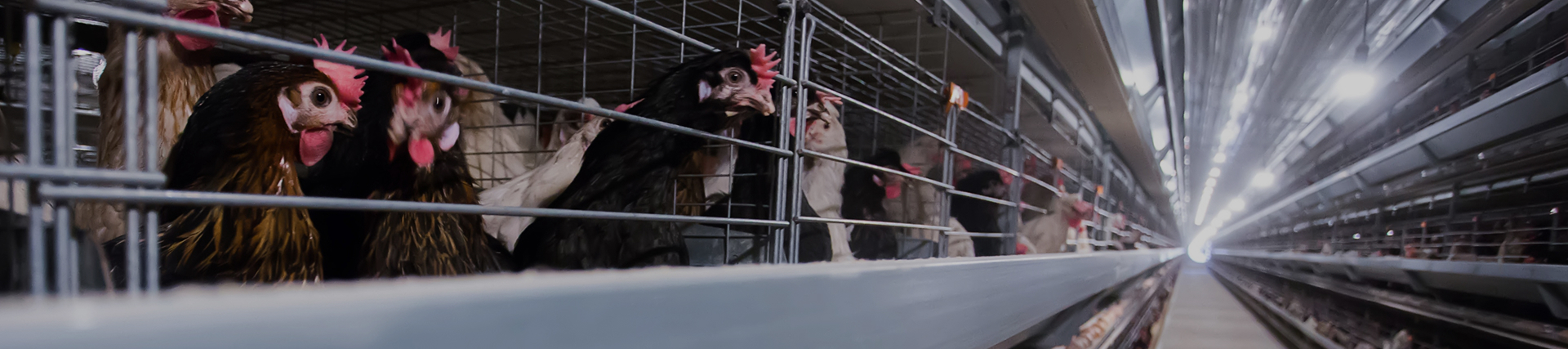
When considering the success of a broiler production farm, the design of the facility is often an afterthought, yet it is a critical factor in determining overall productivity, animal welfare, and economic viability. Poorly designed farms can lead to inefficiencies in workflows, increased stress levels for the birds, and ultimately reduced profit margins. With the poultry industry constantly evolving, understanding the importance of effective farm design is more urgent than ever. Neglecting this vital aspect can have cascading effects that not only hinder the operational capacity but also compromise sustainability and compliance with industry regulations, leading to significant financial losses.
Delving into the root causes of ineffective farm design, we find that many producers overlook essential elements, such as ventilation, space allocation, and biosecurity measures. For instance, a failure to implement proper ventilation systems may result in the accumulation of harmful gases, leading to increased respiratory diseases among flocks. Additionally, inadequate space allocation can cause overcrowding, resulting in higher aggression levels, stress, and tarnished meat quality. These design flaws stem from a lack of awareness about modern agricultural practices and the need for scalable solutions that adapt to fluctuating production demands.
The repercussions of poor farm design extend far beyond individual operations; they can significantly impact the broader poultry industry. For instance, when a facility fails to meet the biosecurity standards set forth by organizations like the World Organisation for Animal Health (OIE), it risks becoming a hotspot for disease outbreaks. This not only affects the farm in question but can destabilize market prices and supply chains, leading to widespread repercussions. According to a report by the Food and Agriculture Organization (FAO), over 70% of poultry operations that do not invest in effective farm design report decreased productivity levels, emphasizing that the design isn't merely a structural concern—it’s a foundational component of a thriving enterprise.
Support for these claims is abundant. There's a notable case involving a large broiler farm that underwent a redesign focused on enhanced airflow and space utilization. Following the redesign that complied with ASTM poultry housing standards, the farm reported a staggering 30% increase in productivity and a 25% reduction in mortality rates. This success underscores how thoughtful design can not only mitigate risks but also foster a more efficient production environment, greatly impacting the farm's bottom line.
Ignoring the significance of broiler production farm design can lead to dire consequences. If the design issues are left unaddressed, producers may experience chronic losses, heightened operational costs, and potential violations of regulatory requirements. The poultry industry is undergoing rapid changes, and as consumer preferences shift toward sustainably managed operations, farms that fail to adapt face obsolescence. A structured layout that emphasizes animal welfare, workflow efficiency, and hygiene will be pivotal in meeting both market and legislative demands.
In conclusion, the design of a broiler production farm is not merely an architectural concern; it is a systemic issue that, if neglected, can lead to profound negative impacts for farm operators and the industry as a whole. I encourage everyone involved in poultry production to prioritize farm design in their strategic planning process. Addressing this challenge not only enhances productivity and welfare but also ensures long-term sustainability in a competitive market. It’s time to reassess our strategies—investing in effective broiler production farm design today can lead to a more prosperous tomorrow.
