

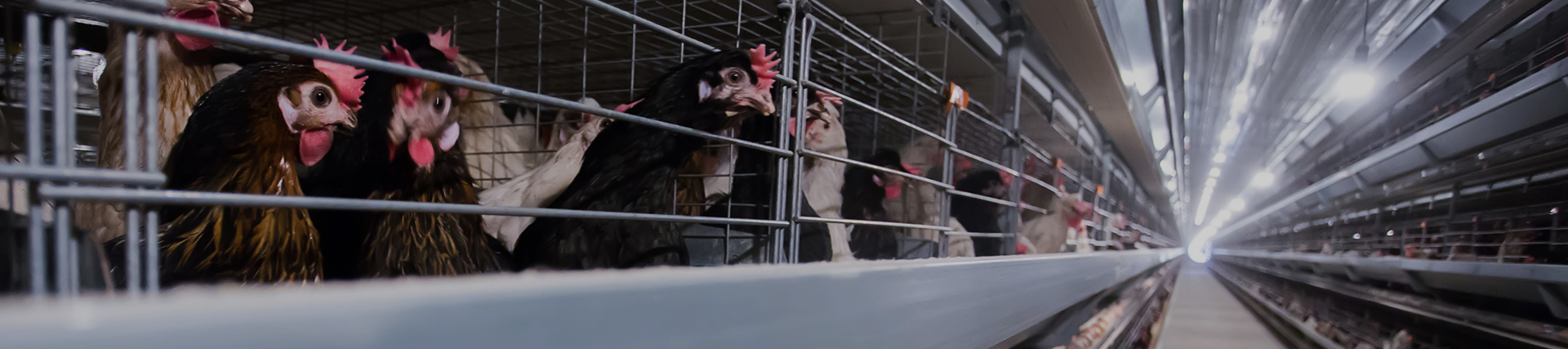
poultry farm project cases represent real-world experiences and lessons learned in the poultry farming industry. This term encompasses various projects ranging from small-scale operations to large commercial farms, all aimed at enhancing productivity, animal welfare, and efficiency. The value of these case studies lies in their ability to inform existing and aspiring poultry farmers about best practices, innovative technologies, and sustainable farming techniques. By analyzing these projects, businesses can adopt proven strategies to increase their operational success and profitability.
The history of poultry farming dates back thousands of years, evolving from small backyard flocks to sophisticated commercial enterprises. The poultry industry has undergone numerous transformations, driven by advancements in breeding technologies, nutrition, and biosecurity measures. Over the past few decades, global poultry production has expanded significantly, with the Food and Agriculture Organization (FAO) reporting a more than 20% increase in production over the last five years alone. Such evolution reflects an increasing demand for poultry products and the necessity for frameworks that ensure safe, efficient production methods.
Real-world applications of poultry farm project cases highlight their significance across the industry. By employing lessons from these projects, farmers can adopt strategies that enhance productivity while maintaining animal welfare. Moreover, these cases often shed light on the importance of biosecurity protocols in preventing disease outbreaks, which can devastate flocks and financial stability. For instance, implementing comprehensive vaccination and hygiene methods can reduce mortality rates by over 40%, ensuring a more sustainable operation and a healthier product for consumers.
Despite their importance, there are common misconceptions surrounding poultry farm project cases. Some believe that these projects only apply to large-scale operations, overlooking valuable insights for smaller operations. In reality, many successful practices can be scaled down for smaller farms, demonstrating that even minor adjustments in feed management or housing can lead to significant improvements. Moreover, some may underestimate the financial investment required to implement best practices and technological advancements. However, it’s essential to recognize that these investments can yield high returns, often reducing operating costs in the long run.
For example, a case study of Little Giant Poultry Farms showcases practical applications that other farmers can emulate. By adopting precision feeding technology, Little Giant increased their feed conversion efficiency by 15%, allowing them to produce 100% more eggs with the same input. Furthermore, implementing a comprehensive biosecurity plan led to their facility passing all USDA inspections without a single violation, highlighting the importance of strict adherence to quality standards like the ASTM and DIN specifications within the industry.
In summary, poultry farm project cases offer valuable insights into effective strategies for improving productivity and sustainability in poultry farming. These lessons demonstrate the importance of innovation, adaptability, and strict adherence to quality standards. By exploring these project cases, existing and future poultry farmers can equip themselves with the knowledge necessary to drive their operations forward. Discover more about how you can apply these lessons and scale your poultry farm business by diving deeper into the success stories and innovations within the industry. Embrace the potential these insights provide, and take action toward enhancing your poultry farming enterprise today.
