

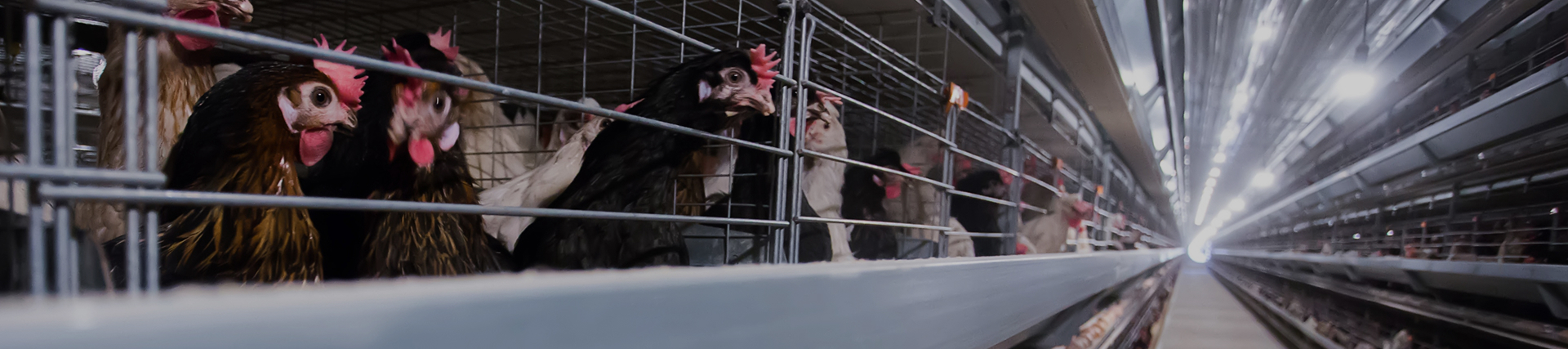
In the world of chicken farming, the right equipment is essential for optimizing operations and ensuring the welfare of your flock. Chicken Farming Equipment encompasses everything from coops and feeders to water systems and health monitoring tools. These tools not only simplify daily tasks but also enhance productivity and animal well-being. Investing in quality equipment translates into improved efficiency and profitability for your poultry business.
Historically, chicken farming dates back thousands of years, with early domestication practices leading to the modern poultry industry we know today. Over time, advancements in farming methods and equipment have revolutionized how chickens are raised and managed. Gone are the days of relying solely on manual processes; today’s farmers utilize sophisticated technologies that maximize output while ensuring the highest standards of animal care. According to industry reports, global poultry production has reached over 130 million tons annually, underscoring the importance of effective chicken farming equipment for sustainable practices.
The practical applications of chicken farming equipment cannot be overstated. Properly designed tools and machinery—like automated feeders that dispense food at regular intervals—ensure that your chickens receive the right amount of nutrition without waste. Additionally, waterers equipped with automatic valves contribute to optimal hydration, keeping the flock healthy and productive. The significance of such equipment lies in their role in streamlining farm operations, reducing labor costs, and ultimately enhancing the profitability of your venture.
Nevertheless, misconceptions abound regarding chicken farming equipment. Many new farmers believe they only need basic tools to get started; however, this can lead to inefficiencies and potential health issues for the birds. Investing in high-quality equipment such as climate control systems, biosecurity tools, and health monitoring devices is crucial for creating a sustainable farming environment. Understanding industry standards, for example, adhering to guidelines set by organizations like the National Chicken Council (NCC), can further clarify the importance of using specialized equipment to meet animal welfare requirements.
To illustrate, let’s consider a case study involving a small-scale farmer utilizing Little Giant chicken farming equipment. This farmer invested in a high-capacity automatic feeder and a reliable water purification system. As a result, they reported a 25% increase in egg production due to better nutrition and hydration, as well as significant reductions in labor time. The proactive use of appropriate equipment not only contributed to their bottom line but also fostered a healthier living environment for their chickens.
In summary, understanding what chicken farming equipment you need is vital for anyone looking to succeed in poultry farming. By ensuring that you have essential tools like automated feeding systems, proper hydration solutions, and health monitoring devices, you position your farm for optimal performance. If you’re ready to elevate your chicken farming venture, explore options from trusted brands like Little Giant, and equip yourself with the right tools to ensure a prosperous and sustainable business.
