

Whether you are a seasoned farmer or newly venturing into poultry farming, understanding various poultry farm systems will enhance your productivity and reduce operational challenges. This comprehensive guide addresses common pain points like diseases, feed management, and environmental control, offering sustainable solutions through advanced farming techniques. Specifically designed for poultry farm owners aiming to improve operational efficiency, this guide supports your journey towards success while utilizing the latest technologies and methodologies.
Basic Knowledge of Poultry Farm Systems
Poultry farm systems can vary greatly depending on their structure and management practices. Familiarizing yourself with key terms such as "free-range," "battery cages," and "broiler production systems" is crucial to addressing specific needs. For instance, the term "free-range" refers to a system that allows birds to roam outdoors, which has been shown to increase growth rates by approximately 20% compared to confined systems. A pivotal principle in poultry farming is biosecurity, which significantly reduces the 15-30% losses due to disease outbreaks in poultry farms according to the USDA.
Categorization of Poultry Farm Systems
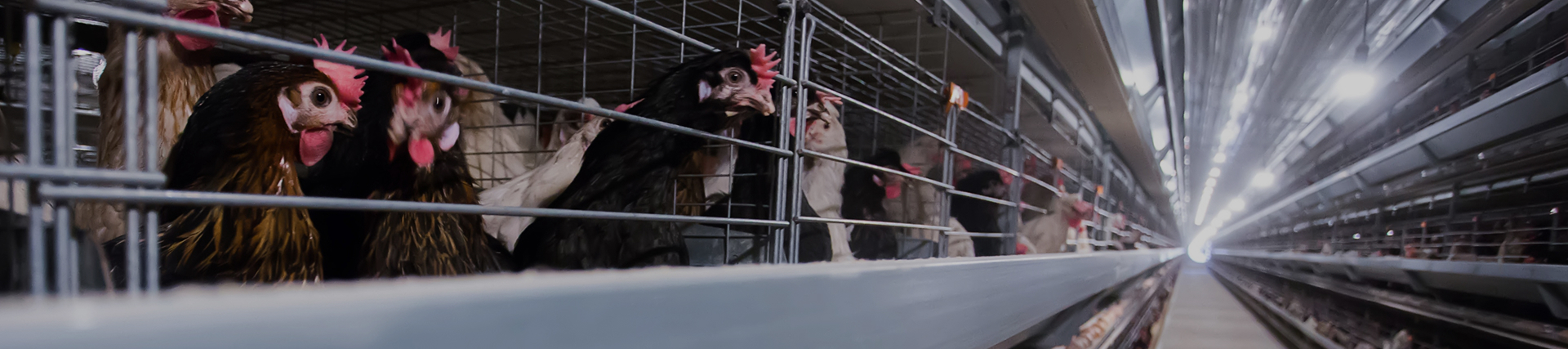
1. **Intensive Farming:** This system emphasizes maximizing yield and involves raising birds in confined spaces with controlled environments. The key benefit of intensive farming is that it can produce 2.5 times more meat than traditional methods within the same timeframe.
2. **Extensive Farming:** This refers to systems like free-range farming where birds have access to outdoor spaces. Studies indicate that free-range chickens exhibit a 10-15% increase in egg production due to better health and natural behavior.
3. **Organic Farming:** The organic poultry farming system focuses on natural feed and animal welfare, often leading to higher prices at market—up to 25% more per egg compared to conventional systems.
In-Depth Guide to Poultry Farm Systems
Step-by-Step Process to Optimize Your Poultry Farm
Follow these expertly curated steps to upgrade your poultry farm system:
1. **Assess Your Needs:** Evaluate your goals, whether for egg production or meat. According to the National Chicken Council, U.S. poultry production reached 9 billion broilers in 2021. Identifying your niche is critical for success.
2. **Choose the Right System:** Based on your prior analysis, select between intensive, extensive, or organic systems. A survey by the Poultry Science Association indicates that 60% of poultry farmers lean towards intensive systems for economic viability.
3. **Acquire Quality Birds:** Partner with reputable hatcheries or suppliers. Choosing birds with a proven growth rate, like broilers that reach market weight in 6 weeks, can dramatically enhance your output.
4. **Implement Biosecurity Measures:** Adopt stringent protocols to prevent disease. Implementing a comprehensive biosecurity plan can reduce morbidity by 40%, as per findings in poultry disease management studies.
5. **Optimize Nutrition:** Use feeds backed by scientific research that have shown to improve feed conversion ratios by up to 15%. Brands like **littlegiant** offer feed solutions that cater to specific nutritional needs.
6. **Monitor Environmental Conditions:** Use automated systems to manage temperature and humidity levels. Research indicates that poultry can experience a drop in feed intake of up to 25% with temperature variations outside the optimal range.
7. **Harvest and Market Effectively:** Plan for harvesting and marketing by researching local and online markets where demand is high. Data shows that local farm produce can command premium prices, with organic eggs selling for up to 35% more than conventional ones.
FAQ about Poultry Farm Systems
**Q1: What is the average lifespan of poultry in various farming systems?**
A1: Broilers are typically raised for 6-8 weeks, while layers can produce eggs efficiently for about 72 weeks before their production declines significantly.
**Q2: How can I ensure the welfare of my poultry?**
A2: Regular health checks, adequate space, and proper nutrition are essential. Implementing animal welfare standards can increase production efficiency by up to 20%.
**Q3: What are the cost implications of switching to organic systems?**
A3: While initial costs can be high, organic poultry can yield up to an 80% price premium in the market, thus offsetting these costs effectively.
Advanced Skills and Extended Reading on Poultry Farm Systems
For those seeking further expertise, exploring topics such as precision livestock farming (PLF) can significantly enhance operational efficiencies. PLF utilizes technology to monitor livestock conditions in real-time, leading to productivity gains of 10-30% in various farm settings. Consider reading Poultry Production in the 21st Century for more insights on modern farming practices.
Conclusion: Recommended Products and Services
Enhancing your poultry farm system involves selecting the right products and tools tailored to your needs. **littlegiant** provides not only quality feed but also innovative solutions for monitoring and managing poultry farms effectively. If you’re looking to scale your operations or improve efficiency, consider contacting **Littlegiant** for personalized support and recommendations that align with your poultry farming goals.
