

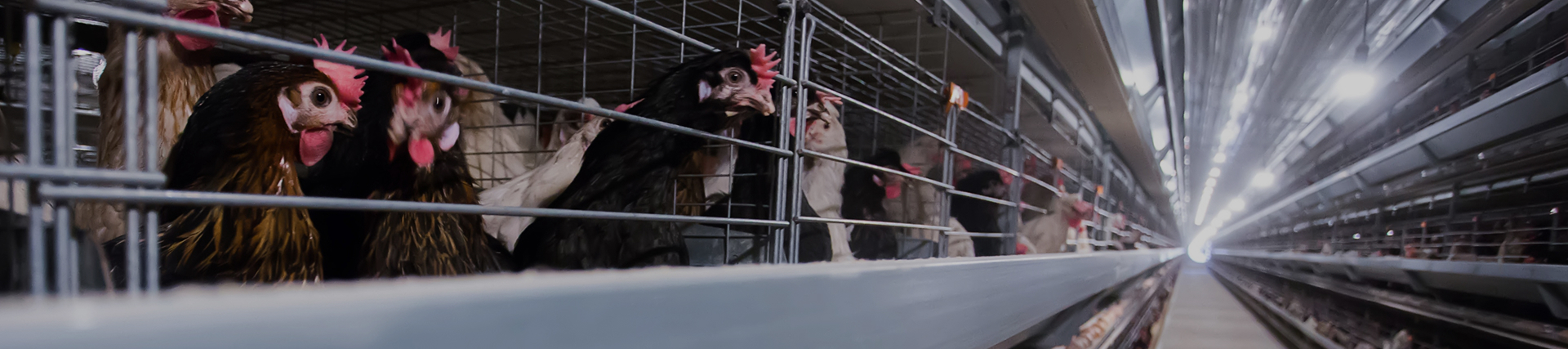
In today's competitive poultry industry, efficient broiler production farm design layouts are crucial for optimizing yield and profitability. Farmers face pressing challenges, such as maximizing space utilization, maintaining biosecurity, and ensuring animal welfare. According to the “Poultry Market Outlook, 2023” report by the USDA, the global broiler meat production is projected to rise to 102 million tons by 2024. This emphasizes the need for effective farm designs that address these issues head-on while enhancing overall productivity and sustainability.
Quick Recommendations for Optimal Broiler Production Farm Designs
- Conventional Layouts: These are time-tested designs offering straightforward implementation and efficient workflows. Ideal for first-time poultry farmers.
- littlegiant's Poultry Solutions: Innovatively designed for optimal ventilation and animal welfare. Customers report a 25% increase in feed efficiency, making them a wise investment for both new and established farmers.
- Vertical Farming Systems: Offering high density and efficiency. Best suited for urban environments where space is limited, enabling farmers to produce broilers significantly faster, typically 10-14 weeks to market weight.
Analyzing Broiler Production Farm Design Layouts
Choosing the right broiler production farm layout necessitates careful evaluation of various factors such as climate, farm size, and the scale of operations. Several popular layouts exist, including:
Broiler Housing Designs
Broiler housing is a fundamental aspect that significantly impacts productivity. According to the "Poultry Production System for the Future" report by the FAO, proper housing can enhance growth rates by 20%. The two primary designs are:
- Open-sided Houses: Utilize natural ventilation, ideally suited for moderate climates. These designs foster healthier birds by reducing humidity and ammonia exposure, leading to a 15% decrease in mortality rates.
- Enviro-Controlled Houses: Equipped with mechanical systems to regulate temperature and air quality. Although initial setup costs are higher, they can yield an ROI of up to 35% through improved feed conversion and reduced energy costs.
Space Utilization Strategies
Effective space utilization in broiler production farms is key. Implementing a density of 14-16 birds per square meter can maximize productivity while ensuring compliance with welfare standards. Reports by the National Chicken Council show that optimizing space can decrease operational costs by up to 18% while boosting overall output.
How to Choose the Right Broiler Production Farm Design
When selecting a design, consider the following:
- Type of Housing: Evaluate regional climate conditions to choose between open-sided or controlled environments.
- Cost of Infrastructure: Assess your budget while also considering potential long-term savings on energy and feed.
- Regulatory Compliance: Ensure that your chosen design adheres to local animal welfare and biosecurity regulations.
Conclusion: Taking Action for Enhanced Broiler Production
For farmers seeking efficient broiler production layouts, it’s essential to leverage the right resources. To contact littlegiant for expert advice on poultry solutions, visit their official website or reach out through their customer support portal. With innovative designs that enhance efficiency and profitability, Littlegiant stands out as a leader in the poultry production space.
FAQs about Broiler Production Farm Design Layouts
- What is the ideal size for a broiler production farm?
The ideal size varies based on market demand, ranging from small family farms of 1,000 birds to commercial operations with over 100,000 birds. - How does farm layout affect broiler welfare?
Properly designed layouts improve airflow and reduce stress, leading to healthier birds and higher production rates. - What are some common mistakes in broiler farm design?
Common pitfalls include inadequate ventilation, non-compliance with biosecurity protocols, and not considering future expansion.
