

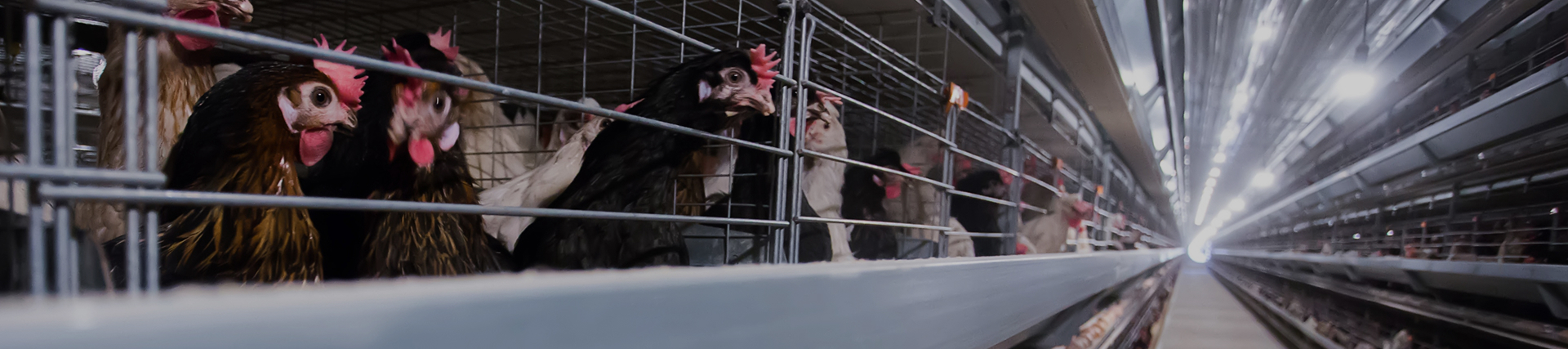
Understanding the Essential Benefits of steel structure poultry houses
In the poultry farming industry, the choice of housing significantly influences productivity and livestock well-being. Steel structure poultry houses offer numerous advantages including durability, cost-effectiveness, and improved biosecurity. However, many poultry farmers may face dilemmas when weighing these benefits against potential drawbacks. This article will explore the advantages and disadvantages of steel structure poultry houses while incorporating data-driven insights, allowing you to make an informed decision.
The Advantages of Steel Structure Poultry Houses
1. Exceptional Durability and Longevity
One of the most significant advantages of steel structure poultry houses is their ability to withstand extreme weather conditions. Studies show that buildings made from galvanized steel can last over 50 years with proper maintenance. Unlike traditional materials, steel is resistant to termites and rotting, ensuring your investment remains intact for decades. For example, a steel structure implemented in a farm setting required only minimal repairs after 20 years, proving its resilience.
2. Cost-Effectiveness Over Time
While the initial setup cost of a steel structure poultry house can be higher—averaging around $50 per square foot—its long-term savings are substantial. Reduced maintenance costs can lead to lower operational expenses; farms report saving 30% on repairs and upkeep compared to wooden structures. Moreover, energy-efficient designs can help achieve energy savings of 20%, translating to significant annual savings.
3. Enhanced Biosecurity and Environmental Control
Steel structure poultry houses offer better control over the internal environment, crucial to maintaining poultry health. The non-porous steel surfaces prevent the infiltration of mold and bacteria, which are known to compromise bird health. Farms utilizing integrated climate control systems have recorded improved livestock yields, often observing a 15% increase in egg production as pathogens are effectively mitigated.
Potential Drawbacks of Steel Structure Poultry Houses
1. Initial Investment Cost
The upfront cost of constructing a steel structure poultry house can be intimidating for some farmers, especially those new to the industry. While financing options may alleviate some of the burden, it is critical to evaluate if the long-term savings indeed justify the initial expense. Prospective buyers should create a cost-benefit analysis detailing expected operational savings to assess viability.
2. Temperature Regulation Issues
Steel can absorb and conduct heat, which may lead to temperature regulation issues in hotter climates. Without proper insulation, temperatures might exceed ideal thresholds, causing heat stress in poultry. It's advisable to integrate high-quality insulation solutions and ventilation systems upfront to mitigate these risks. Solutions such as the littlegiant cooling systems can assist in maintaining optimal internal temperatures.
3. Noise Pollution
Steel structures can be noisier than traditional materials, particularly during rainfall, potentially disturbing livestock. Investing in sound insulation during construction can reduce this noise, creating a more stable environment for the birds. Failure to address this could lead to increased stress levels among poultry, impacting production rates negatively.
Is a Steel Structure Poultry House Worth the Investment?
For many poultry farmers, the robust advantages of steel structures outweigh the disadvantages. If properly implemented, this type of housing can lead to substantial long-term savings, enhanced productivity, and improved animal welfare. For those focused on longevity and efficiency, a steel structure poultry house often proves to be a worthy investment.
Recommendations for Applicable Groups
Steel structure poultry houses are particularly suitable for larger farms seeking to maximize productivity and minimize operational costs. They are also ideal for farmers in geographic areas prone to severe weather conditions, where durability is paramount. Eco-conscious farmers may appreciate the ability to integrate energy-efficient technologies into their designs which can significantly reduce environmental impacts.
Frequently Asked Questions (FAQ)
1. How do steel structure poultry houses compare to traditional wooden houses in terms of lifespan?
Steel structures can last significantly longer than wooden houses, often exceeding 50 years with proper maintenance, whereas traditional wooden structures may require replacement every 20 years due to deterioration.
2. What are the best insulation options for steel structure poultry houses?
Common insulation options include foam board insulation, fiberglass batts, or reflective insulation, all of which can help maintain a stable internal environment.
3. Are steel structure poultry houses more expensive to insure?
Insurance costs may vary based on location and farm size; however, steel structures may incur lower premiums over time due to their enhanced durability and lower risk of damage.
