

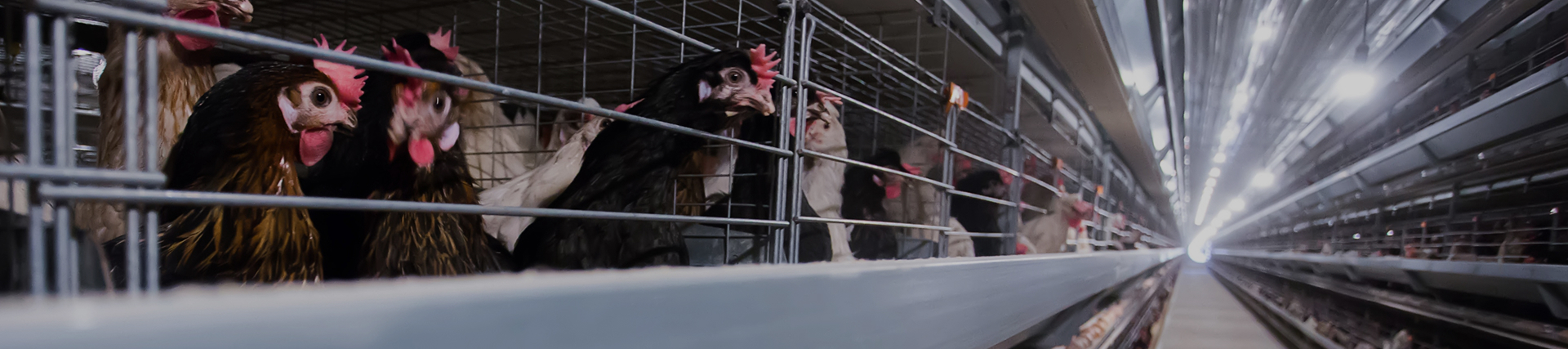
Constructing a poultry house poses unique challenges that can significantly impact the success of your poultry farm. Issues such as biosecurity breaches, poor ventilation, and inadequate space can lead to reduced productivity and increased susceptibility to diseases. By implementing effective poultry house construction tips, you can not only enhance production efficiency but also safeguard the health of your flock. This article provides real-world solutions that will address common pain points associated with poultry house construction, ensuring a thriving environment for your birds.
1. Choose the Right Site for Your Poultry House
Why: The location directly affects ventilation, drainage, and overall biosecurity.
Begin by selecting a site with good natural drainage and away from potential predators and noise. The ground should be level, with access to clean water sources. Additionally, avoid areas prone to flooding and those close to residential homes, which can lead to conflict over odors and noise.
This technique is ideal for new poultry farmers who may not yet fully understand site selection. Proper site location will facilitate better operations and enhanced animal welfare.
2. Invest in Proper Ventilation Systems
Why: Adequate ventilation minimizes heat stress and enhances air quality for the birds.
Opt for a combination of natural and mechanical ventilation systems to meet the specific needs of your flock. Natural ventilation can be achieved through open side walls or vents, while mechanical systems might include exhaust fans and thermostatically controlled intake systems. Maintain a movement of 1,000 cubic feet of air per minute for every 1,000 birds to ensure optimal airflow.
This method is highly beneficial for regions with varying climates and temperature extremes, where maintaining a stable environment is crucial for growth rates and egg production.
3. Ensure Use of Quality Materials
Why: Using durable, biosecure materials prolongs the life of your poultry house.
Materials such as treated wood, galvanized steel, and insulated panels are excellent choices. Avoid materials that can harbor disease or decay quickly. For instance, using smooth, non-porous polyethylene may discourage pests and bacteria growth, while treated timber can withstand the elements.
This step is particularly essential for farmers looking to build long-term and sustainable poultry operations. Selecting the right materials can decrease maintenance costs and increase the overall lifespan of the structure.
4. Plan for Biosecurity Measures
Why: Implementing biosecurity reduces disease risks and protects your flock.
Design your poultry house with biosecurity in mind by creating separate zones for equipment, feed storage, and bird management. Establish footbaths at entrances, utilize protective clothing, and conduct routine health checks. According to the American Veterinary Medical Association, farms implementing strict biosecurity measures have reported a 50% decrease in disease incidence.
This strategy is advantageous for both newcomers and experienced farmers looking to prevent outbreaks and enhance flock health, thus increasing productivity.
5. Optimize Space Utilization
Why: Efficient space management maximizes bird welfare and production capacity.
Determining an appropriate space allowance, typically 1.2 to 2 square feet per bird, can prevent overcrowding. Design the interior layout to facilitate easy movement and ensure factors like feed accessibility and water supply are considered. Additionally, utilizing vertical space with tiered housing can increase capacity without straining available floor area.
This method works well for medium-size poultry farms seeking to expand production without extensive remodeling.
6. Incorporate Smart Technology
Why: Technology can streamline operations and enhance animal welfare.
Implement systems like automated feeding and climate control. For example, smart sensors can monitor humidity and temperature, adjusting ventilation automatically to maintain optimal conditions. Research shows that farms using smart monitoring systems reported a 20% improvement in growth rates in broilers.
This approach is suitable for tech-savvy farmers aiming for a modernized, efficient operation that requires less manual labor and delivers higher yields.
Summary of Key Points
Constructing a poultry house requires careful planning and execution. By choosing a proper site, investing in ventilation, using quality materials, prioritizing biosecurity, optimizing space, and incorporating technology, you can create a productive environment for your poultry. Addressing these areas not only enhances your farm's effectiveness but ensures a healthy, sustainable approach to poultry farming.
FAQ
What is the ideal space per bird in a poultry house?
It is generally recommended to allot 1.2 to 2 square feet per bird for optimal conditions.
How do I ensure proper ventilation in my poultry house?
Utilize a mix of natural and mechanical ventilation systems, ensuring a movement of at least 1,000 cubic feet of air per minute for every 1,000 birds.
What materials should I avoid when constructing a poultry house?
Avoid porous materials that can harbor disease, such as untreated wood, and focus on durable options like treated timber and galvanized steel.
