

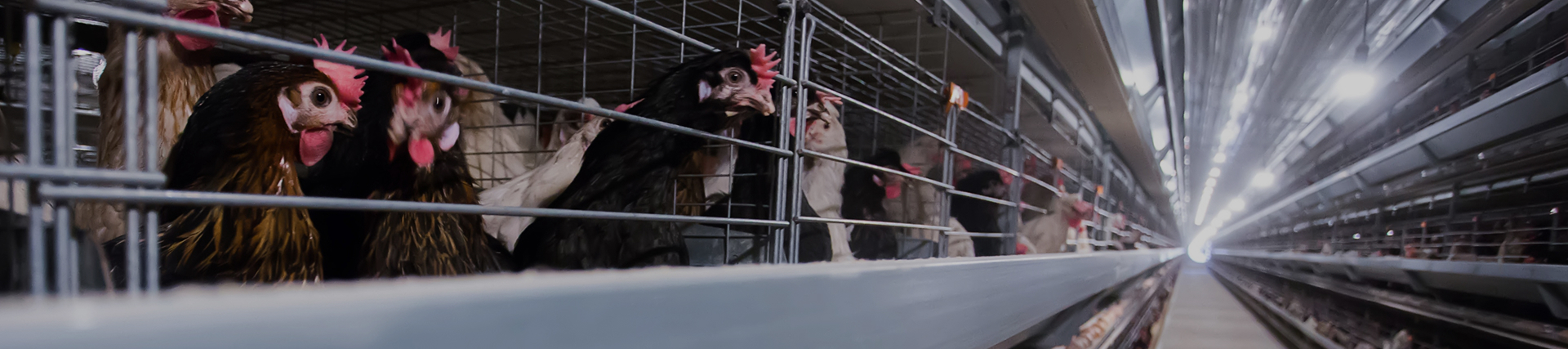
Introduction: Importance of Evaluating poultry farm systems
Investing in a poultry farm system is more than a mere business decision; it involves tackling significant challenges that many farmers face. For instance, inadequate space can lead to overcrowding, affecting animal health and productivity, with studies showing up to a 25% decrease in overall yield. The right system can enhance biosecurity, streamline feeding processes, and improve growth rates by as much as 18%. In this article, we will delve into the advantages and disadvantages of poultry farm systems, examine industry leaders like Little Giant, and help you understand whether this investment aligns with your farming goals.
Advantages of Poultry Farm Systems
Poultry farm systems come with various advantages that can significantly streamline operations and improve productivity. These benefits include:
1. Enhanced Efficiency and Yield
Poultry farming systems can optimize feed conversion rates, with well-designed systems showing an average conversion efficiency increase of 37%. This means that farmers can produce more meat or eggs using the same amount of feed, translating into better profitability. Observations from successful farms using integrated systems indicate up to a 20% increase in overall output, thanks to automated feeding and monitoring technologies.
2. Improved Biosecurity
Biosecurity becomes essential in poultry farming due to the potential for disease outbreaks. Implementing a structured poultry farm system, such as using Little Giant solutions that include advanced ventilation and sanitation protocols, can reduce the risk of disease by up to 30%. A successful case study showed that the systematic approach helped reduce disease incidents from 15% to below 5%, aligning with industry best practices.
3. Labor Reduction
Automation in poultry systems minimizes manual labor requirements. For example, utilizing automated egg-laying systems can decrease labor needs by up to 40%, while still maintaining quality control. This leads to increased operational efficiency and allows farmers to allocate resources more strategically.
Disadvantages of Poultry Farm Systems
Despite the numerous advantages, there are also notable downsides to consider before investing in poultry farm systems:
1. Initial Investment and Maintenance Costs
The cost of setting up a modern poultry farm system can be significant. On average, farmers may need to invest anywhere from $100,000 to over $500,000, depending on the complexity of the system. Additionally, maintenance costs can accumulate over time, which can be daunting for smaller farms. It's crucial to weigh the long-term benefits against these initial expenditures.
2. Technical Knowledge Requirement
Advanced systems often necessitate technical knowledge and management skills that may not be available to all farmers. A failure to properly understand these systems can lead to inefficiencies or system failures. Ongoing training and the potential hiring of experts can increase operational costs significantly.
3. Over-reliance on Technology
While technology can streamline operations, an over-reliance can become problematic if systems fail. For instance, systems failures have resulted in losses up to 50% in some cases. It's advisable to have contingency plans that include manual operations to mitigate such risks effectively.
Is It Worth Buying/Using a Poultry Farm System?
Ultimately, the decision to invest in a poultry farm system depends on the specific needs and capabilities of the farm. For larger operations aiming for high efficiency and productivity, the benefits typically outweigh the drawbacks. Conversely, smaller farms may find that the costs and complexity of these systems present more challenges than advantages.
Summary: Recommendations for Applicable Groups
Poultry farm systems are best suited for commercial-scale operations looking for efficiency, reduced labor, and improved biosecurity. Farmers with the capital for initial investments and willingness to adopt technology will experience significant productivity gains. Smaller or novice farmers might consider simpler systems or gradual upgrades to avoid overwhelming costs and complexities.
FAQ
What is the average ROI for poultry farm systems?
Research indicates that farms can expect an ROI in three to five years, depending on the efficiency improvements and increased yields realized from the system.
How does weather impact poultry farm systems?
Climate control systems within poultry systems can mitigate weather impacts by regulating temperature and humidity, significantly enhancing poultry health and growth rates.
Are there eco-friendly poultry farm systems available?
Yes, many modern systems incorporate features that reduce waste and energy consumption, supporting more sustainable farming practices.
