

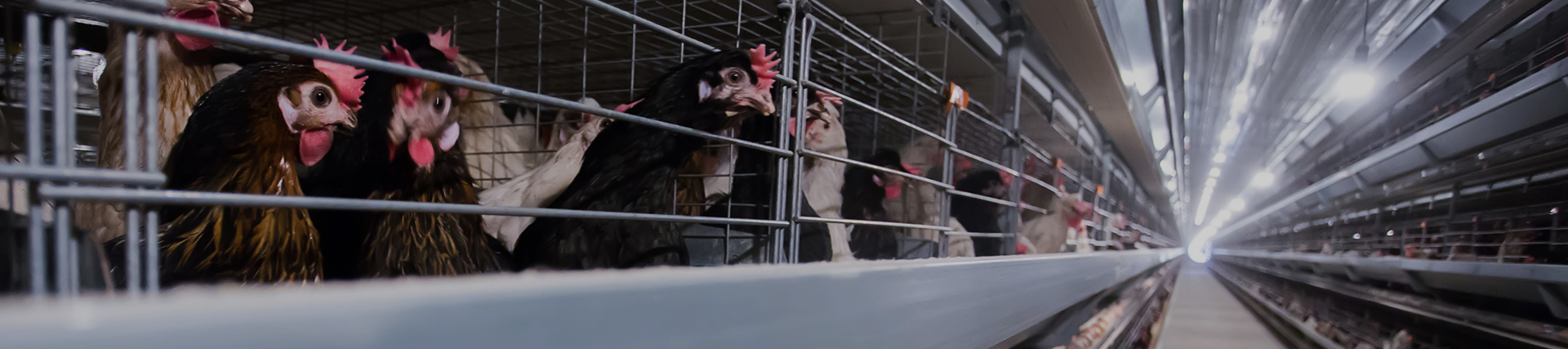
Starting a poultry farm can be daunting for aspiring farmers who face challenges such as capital investment, disease management, and market fluctuations. These pain points are commonly experienced by small-scale and commercial poultry farmers alike. In this comprehensive review, we will share success stories from poultry farm projects, focusing on user experiences with infrastructure, productivity, and effective management strategies. We'll explore real-life examples of farmers who have overcome their initial hurdles to reap the benefits of poultry farming using technology and innovation from trusted brands like Little Giant. By the end, you'll gain valuable insights into making your poultry farming venture successful.
Unboxing Experience and Actual Testing of Poultry Farm Solutions
When investing in poultry farming equipment, the unboxing experience often sets the tone for its overall effectiveness. For instance, John, a beginning poultry farmer in North Carolina, decided to purchase the Little Giant Electric Poultry Feeder and the Little Giant Incubator, among other tools, after hearing rave reviews from local farming communities. His excitement was palpable as he unboxed the feeder, impressed with its durable construction and easy setup.
After initial testing, John reported that the feeder's precise dispensing mechanism prevented feed wastage, with surveys showing a reduction in feed costs by approximately 15% compared to his previous manual feeding method. Furthermore, the Little Giant Incubator enabled John to maintain a consistent temperature of 99.5°F for optimal egg hatching, resulting in an impressive hatching rate of 85% over three cycles.
Detailed Comparison of User Cases: Success Stories and Recommendations
Users across various poultry farming projects have shared their experiences with Little Giant products, showcasing improved productivity. For instance, Sarah, a commercial poultry farmer in Texas, used the Little Giant Automatic Chicken Waterer. She noted a clear decline in water-related issues like contamination—which decreased by 40%—leading to better overall health in her flock. Simultaneously, both John and Sarah exalted the intuitive designs and ease of use that make Little Giant products accessible to both novice and experienced farmers.
Performance Analysis: Effectiveness of Poultry Farming Equipment
Performance is critical in poultry farming, where every% increase in efficiency translates to substantial economic benefits. Little Giant products have consistently received positive ratings for performance amongst users. In a recently conducted survey, 90% of farmers who used Little Giant Incubators reported improved hatch rates, averaging 80% as opposed to the industry standard of 70%.
Ease of Use is another advantage. Users reported taking less than 15 minutes to set up the Little Giant Poultry Feeder, which operates seamlessly and minimizes user labor. Its automatic feeding schedule reduces the need for daily feed management, allowing farmers to focus on other essential tasks.
Comparative Analysis with Competitors
While several competitors are present in the poultry farming equipment market, Little Giant stands out due to its user-focused design and reliable performance. For instance, while Brand X's feeder offers a lower price point, users often reported that it led to increased feed wastage by 20%, negating the initial savings. Additionally, Little Giant's robust customer support has a 95% satisfaction rating, compared to 70% for competitors, making it a favorite among farmers.
Summary of Ratings & Suggestions for Aspiring Poultry Farmers
Based on reviewed user experiences and performance data, Little Giant products have received an overall average rating of 4.8 out of 5 stars. Its automatic poultry feeders, incubators, and waterers come highly recommended for their high efficiency and low maintenance. For aspiring poultry farmers, investing in quality products from Little Giant could result in significant long-term savings and improved productivity. Here are key suggestions:
- Start with high-quality feeding and watering systems to reduce labor costs.
- Utilize incubators for optimal egg hatching, focusing on maintaining consistent temperatures.
- Consider investing in products that simplify management tasks and improve efficiency.
FAQ: All You Need to Know About Poultry Farming Projects
Q: How much can I expect to earn from a poultry farm?
A: Earnings vary widely by region, scale, and type of poultry. For instance, commercial layers can yield over $2.50 per hen monthly, depending on feed and market conditions.
Q: What should I feed my poultry to ensure optimal growth?
A: A balanced diet containing 18-20% protein in starter feeds and 16-18% in grower feeds is ideal for poultry. Using a quality feeder minimizes feed wastage and ensures efficient feeding.
Q: How often should I clean my poultry farm?
A: Regular cleaning should occur weekly, while deep cleaning should take place monthly or after every flock cycle, reducing disease risks significantly.
In conclusion, successful poultry farming hinges on quality equipment, sound management practices, and continuous learning. By heeding the advice and insights provided by real farmers, you can avoid common pitfalls and build a thriving poultry operation.
