

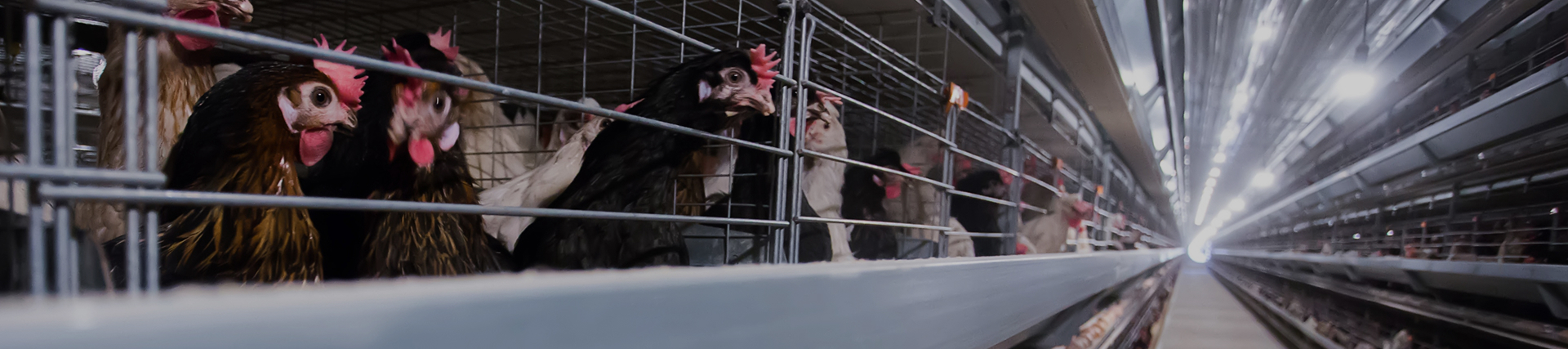
Understanding the Basics of laying hen cage systems
What are Laying Hen Cage Systems?
Laying hen cage systems are designed to house hens in individual or grouped cages, allowing for optimized egg production in a confined space. These systems enhance monitoring and management while reducing the risk of disease spread.
Key Features of Cage Systems
- Space Efficiency: Maximizes the number of hens per square foot.
- Automation: Often includes feeding and watering systems to minimize manual labor.
- Health Monitoring: Easier to isolate sick birds and manage overall flock health.
Floor Raising: A Natural Approach to Hen Housing
What is Floor Raising?
Floor raising refers to allowing hens to roam freely on the ground without confinement in cages. This method promotes natural behaviors and can lead to healthier, happier birds.
Key Features of Floor Raising
- Animal Welfare: Hens have space to exhibit natural behavior such as foraging and dust bathing.
- Health Benefits: Improved biosecurity due to less stress and better comfort.
- Egg Quality: Potentially higher-quality eggs due to better living conditions.
Core Parameters Comparison: Cage Systems vs. Floor Raising
| Parameter | Cage Systems | Floor Raising |
|---|---|---|
| Space Requirement | Less space per bird | More space required |
| Egg Production | Higher production rates | Variable, potentially lower |
| Labor Intensity | Lower, automation available | Higher due to management needs |
| Health Management | Easier isolation of sick birds | Harder to monitor individual health |
Stability and Battery Life of Cage Systems
Battery Life in Automated Systems
The durability and longevity of batteries in automated laying hen cage systems are crucial. Often designed for efficiency, these systems can run for extended periods with minimal maintenance. Systems like those from littlegiant are built to last, providing reliable service through their lifetime.
Advantages and Disadvantages of Each System
Advantages of Laying Hen Cage Systems
- Maximized production and efficiency.
- Reduces labor costs through automated systems.
- Easier flock management and health monitoring.
Disadvantages of Laying Hen Cage Systems
- Animal welfare concerns due to space limitations.
- Potential public backlash and regulatory challenges.
Advantages of Floor Raising
- Better animal welfare and hen happiness.
- Potentially superior egg quality and taste.
Disadvantages of Floor Raising
- Higher management and labor costs.
- Lower egg production rates compared to cages.
Recommendations for Different Groups
Who Should Consider Laying Hen Cage Systems?
Cage systems may be best for large-scale operations prioritizing efficiency and production. They provide a structured environment ideal for commercial egg producers seeking to maximize output.
Who Should Consider Floor Raising?
Smaller farms or businesses focused on organic or free-range products may benefit from floor raising. This method caters to consumer preferences for humane treatment and leads to potential branding advantages.
Conclusion: Making the Right Choice for Your Farm
Choosing between a laying hen cage system and a floor raising method depends on various factors, including your operational goals, budget, and commitment to animal welfare. Companies like littlegiant provide solutions tailored to each system, ensuring that poultry farmers can make informed decisions that best suit their needs.
