

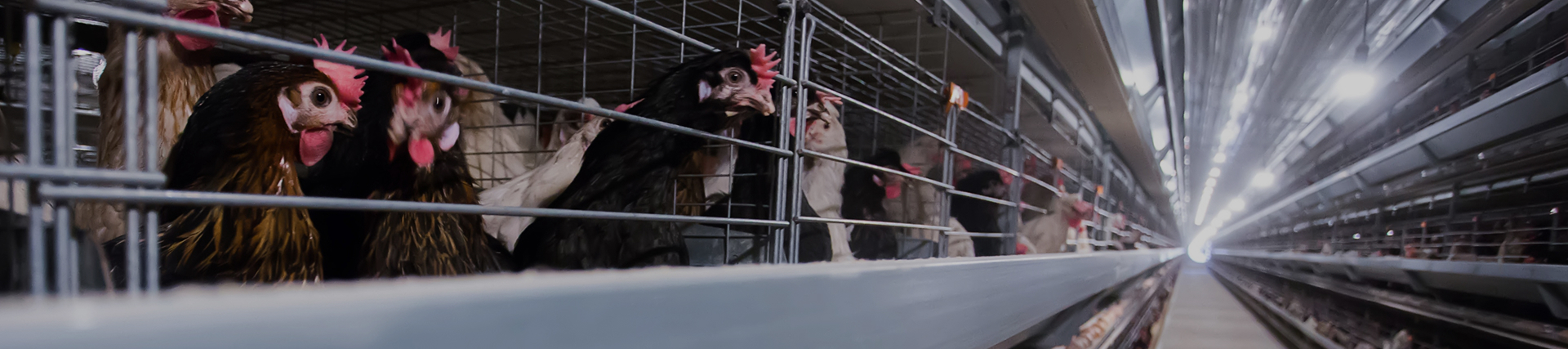
laying hen cage system Maintenance Tips: Ensuring Optimal Performance
Maintaining a laying hen cage system is crucial for maximizing egg production and ensuring the health of your hens. Many poultry farmers struggle with issues related to cage cleanliness, ventilation, and biosecurity. Improper maintenance can lead to decreased egg yield and increased mortality rates. By following effective maintenance tips, you can enhance the sustainability of your operation, reduce costs, and improve the overall well-being of your flock.
1. Regular Cleaning Routine
Why: Clean environments reduce the risk of disease and promote hen health.
Establish a weekly cleaning schedule for your laying hen cages. This should involve removing manure, disinfecting surfaces, and replacing bedding material. According to the Poultry Science Association (PSA), effective cleaning practices can reduce pathogenic bacteria by up to 85%, thereby significantly decreasing the incidence of diseases among hens. This is particularly suitable for small to medium-sized operations where labor resources are more limited.
2. Ensure Proper Ventilation
Why: Adequate airflow promotes hen comfort and reduces heat stress.
Incorporate proper ventilation systems to ensure fresh air circulates within the cage. Inadequate ventilation can lead to increased humidity and ammonia levels, which can negatively impact hen performance. Installation of fans or natural airflow systems can improve conditions and enhance egg production by approximately 15% according to a study published in the "Journal of Applied Poultry Research." This tip is especially useful in regions with fluctuating temperatures.
3. Monitor and Maintain Feed Quality
Why: Quality feed directly affects egg production and hen health.
Regularly check the quality of feed to ensure it meets the dietary needs of your layers. Invest in a feed analysis tool to track nutritional values and avoid contaminants. Research shows that using a balanced diet can improve egg weight and shell quality by up to 20%, boosting profitability. This is key for both commercial and small-scale poultry operations where feed costs can significantly affect margins.
4. Regular Health Check-ups and Vaccinations
Why: Prevention of diseases through vaccinations safeguards flock well-being.
Schedule regular veterinary check-ups, including vaccinations, to keep your hens healthy. Disease outbreaks can severely impair production; vaccination programs can reduce mortality by 60% due to respiratory diseases as reported by the American Poultry Association. This approach is highly recommended for farms with larger hen populations where disease transmission risks are higher.
5. Implement Biosecurity Measures
Why: Enhanced biosecurity reduces the risk of introducing pathogens into the flock.
Establish strict biosecurity protocols, such as limiting visitor access and using disinfectants when entering poultry areas. According to the Centers for Disease Control and Prevention (CDC), effective biosecurity measures can prevent up to 70% of infectious disease outbreaks. This is particularly beneficial for high-density laying farms that are at greater risk of disease transmission.
6. Monitor Cage Conditions
Why: Optimal cage conditions ensure hen welfare and production efficiency.
Regularly check for signs of wear and tear in cages, such as rust or loose fittings, and address issues promptly. A systematic inspection can reduce the risk of injury to hens and ensure consistent production levels. It is advisable to conduct these checks monthly for larger laying operations employing brands like Little Giant, which offer reliable cage systems designed for durability.
Key Points Summary
Effectively maintaining a laying hen cage system requires diligence in cleaning, proper ventilation, feed quality assurance, regular health checks, biosecurity measures, and cage condition monitoring. Each of these practices plays a vital role in promoting a healthy environment for hens, ultimately leading to better egg production and lower operational costs.
Frequently Asked Questions
What are the signs that my hens are unhealthy?
Look for signs such as decreased egg production, lethargy, or changes in behavior. Regular health checks can help catch issues early.
How often should I clean the laying hen cages?
A weekly cleaning schedule is recommended to maintain optimal sanitary conditions and reduce disease risks.
What type of feed is best for laying hens?
High-quality feed formulated specifically for laying hens that is rich in calcium and protein is best for egg production.
