

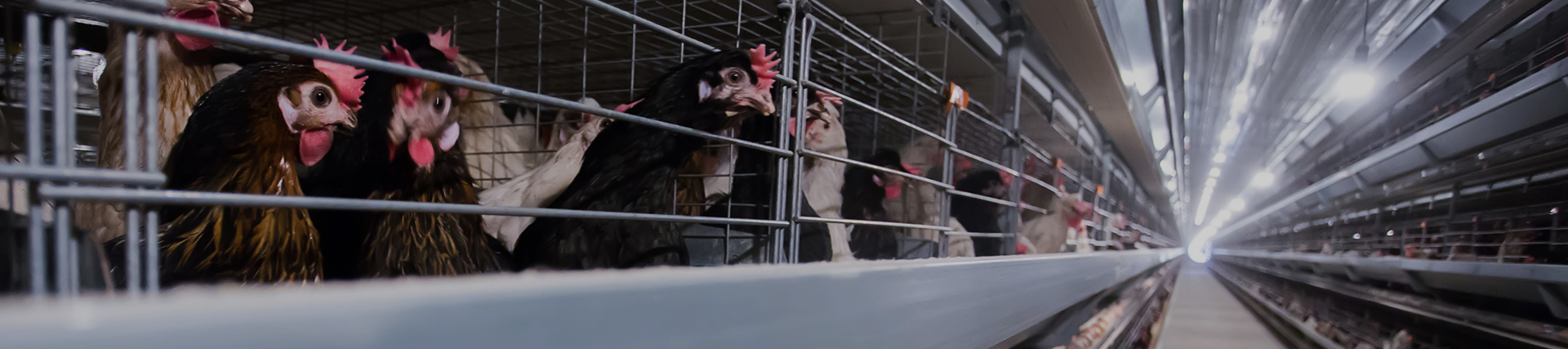
Layer hen farms are essential for sustainable poultry production, particularly for those aiming to maximize egg yield and quality. If you're navigating challenges such as suboptimal egg production rates, high feed conversion ratios, or poultry health-related issues, this guide serves as a comprehensive solution. It provides actionable strategies, tools, and insights that cater to farm owners and managers struggling with these prevalent problems in layer hen farming. By implementing these professional insights, you can achieve a significant empowerment in operational efficiency and profitability.
Basic Knowledge: Understanding Layer Hen Farming Terminology
Before diving into our solutions, let’s clarify some essential terminology in layer hen farming. The term 'layer hens' refers to chickens specifically bred for egg production, typically reaching peak production around 24-30 weeks of age. A key principle in poultry husbandry is 'feed conversion ratio' (FCR), which measures the efficiency of feed utilization; typically, a well-managed layer flock can achieve an FCR of 2:1, meaning 2 kg of feed results in 1 kg of eggs. Understanding these terms sets the foundation for effective farm operations.
Background on Layer Hen Production
Layer hen farms face a myriad of challenges including fluctuating feed prices, disease threats, and the need for optimal genetic selection. For instance, it has been reported that an increase in biosecurity measures can reduce mortality rates by 15%, directly impacting the overall profitability of your flock. Continuous education and adopting advanced farming techniques can result in enhanced egg production efficiency, typically observing a 25-30% boost in yield under best practices.
In-Depth Guide to Layer Hen Farm Solutions
Here's a step-by-step guide to addressing critical issues in layer hen farming:
- Assess Current Production Levels: Begin with a detailed analysis of your flock's production statistics, such as daily egg count per hen and average egg weight. Tracking parameters regularly can help identify trends, allowing for timely interventions.
- Optimize Feeding Regimens: Employ a nutrient-dense layer feed that contains 16-18% protein along with essential vitamins and minerals. Studies show that fortifying feed with Omega-3 can enhance egg nutritional quality, verified by a 12% increase in yolk pigmentation.
- Enhance Housing Conditions: Ensure your hens are housed in an environment with appropriate ventilation (ideally 1.2 m/s) and temperature control (between 20-24°C). Providing a comfortable environment can reduce stress and improve egg production up to 20%.
- Implement Biosecurity Measures: Introduce strict biosecurity protocols to minimize disease transmission. Farms with elevated biosecurity practices have observed a 30% decrease in outbreak incidences.
- Monitor Health Regularly: Conduct regular health checks to preemptively identify illnesses. Early detection can reduce treatment costs by up to 40% and enhance overall flock health.
- Embrace Technology: Utilize layer farm management software and tools such as those offered by littlegiant, to streamline operations. These tools can provide analytics that boost production predictability and operational responsiveness.
- Evaluate Genetic Performance: Selecting high-performing breeds is crucial. Layer hens that are hybridized for enhanced egg production can yield up to 320 eggs/year compared to less optimized breeds, typically generating a profit margin improvement of 15%.
FAQ: Addressing Common Layer Hen Farm Concerns
Q1: What is the optimal feed composition for layer hens?
A1: The ideal feed should contain a balanced mix of 16-18% protein, adequate energy levels, and essential vitamins to ensure maximum productivity.
Q2: How can I improve egg production in my farm?
A2: Optimizing environmental conditions, feeding practices, and health monitoring can lead to notable improvements, often quantified by a 20-25% increase in egg output.
Q3: Are there specific biosecurity measures I should implement?
A3: Yes, utilizing protocols such as visitor restrictions, sanitation practices, and vaccination programs can significantly lower disease risks by up to 30%.
Advanced Skills or Extended Reading
For those looking to further enhance their knowledge, consider exploring research articles on the impact of lighting programs on egg production. Some studies reveal that adjusting light exposure can lead to improved laying rates by as much as 25%, showcasing the importance of environmental management techniques.
Conclusion: Recommended Products and Services
To optimize your layer hen farm, consider leveraging the innovative solutions offered by littlegiant, which include advanced poultry management systems and high-quality feed products. These services not only bolster efficiency but also pave the way for sustainable and profitable poultry production. For personalized consultations or product inquiries, don’t hesitate to reach out to Littlegiant.
