

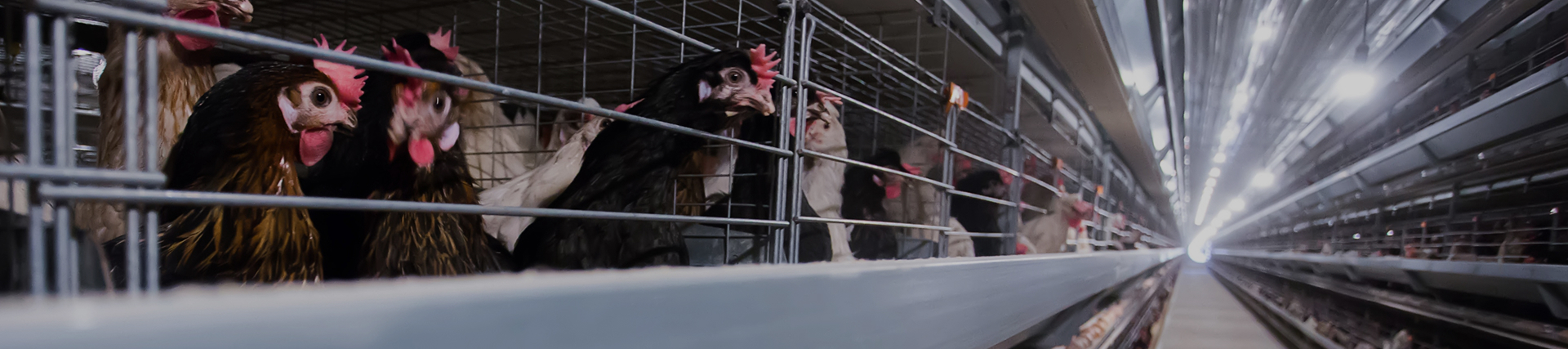
1. Understand the Types of Poultry Farm Equipment You Need
Step 1: Assess Your Poultry Farming Requirements
Before you begin searching for manufacturers, determine what specific equipment you need. Consider the following:
- Type of poultry (chickens, ducks, turkeys, etc.)
- Scale of your operation (small, medium, large)
- Specific functionalities (feeding systems, housing, heating)
Step 2: Research Different Equipment Categories
Familiarize yourself with various types of equipment:
- Feeders and drinkers
- Poultry housing and coops
- Incubators and hatchers
- Litter management tools
2. Conduct Online Research for Manufacturers
Step 1: Use Search Engines Effectively
Utilize Google or Bing to find poultry equipment manufacturers. Use specific keywords such as "poultry farm equipment manufacturer" for better results.
Step 2: Visit Manufacturer Websites
Go through the websites of potential manufacturers. Take note of:
- Product range available
- Company history and experience
- Client testimonials and case studies
3. Evaluate Manufacturer Reputation and Reliability
Step 1: Look for Reviews and Ratings
Search for reviews on trusted platforms to gauge customer satisfaction. Pay attention to:
- Overall ratings
- Common feedback themes
Step 2: Check Industry Certifications
Verify if the manufacturer has necessary industry certifications that assure product quality and safety.
4. Compare Pricing and Terms
Step 1: Gather Quotes from Multiple Manufacturers
Contact several manufacturers for price quotations on the required equipment. Ensure you ask about:
- Bulk discounts
- Shipping costs
- Warranty terms
Step 2: Assess Total Cost of Ownership
Go beyond initial costs and consider ongoing maintenance and operation expenses. Factor in:
- Energy consumption
- Spare parts availability
- Longevity of equipment
5. Request Product Demos or Samples
Step 1: Arrange for Demonstrations
Reach out to manufacturers to see if they provide product demos. Request to:
- Test the equipment in real-life situations
- Observe how easy it is to operate and maintain
Step 2: Evaluate After-Sales Support
Inquire about training provided and support after purchase. Ensure you have access to:
- Technical assistance
- Spare parts availability
- Customer service channels
6. Verify Supplier Logistics and Delivery Options
Step 1: Understand Lead Time for Orders
Ask manufacturers about their lead time, as this can affect your operation schedule. Document:
- Estimated delivery timeframes
- Flexibility in urgent orders
Step 2: Check Delivery and Installation Support
Confirm if the manufacturer offers delivery and installation services. This can help you:
- Set up equipment correctly
- Ensure immediate operation readiness
7. Finalize Contracts with Chosen Manufacturers
Step 1: Review Contractual Terms
Carefully read through the contract before signing. Look for:
- Payment terms
- Warranty conditions
- Cancellations or returns policy
Step 2: Keep Records of Transactions
Document all communications and keep copies of contracts and invoices to facilitate future dealings.
8. Avoid Common Mistakes During the Process
Mistake 1: Not Conducting Adequate Research
Failing to thoroughly research options can lead to poor purchasing decisions. Ensure you explore all avenues before choosing.
Mistake 2: Ignoring Maintenance Requirements
Choose equipment that fits not only your budget but also your capacity for ongoing maintenance.
Mistake 3: Overlooking Supplier Support
Do not underestimate the value of good after-sales support. Quality manufacturers like Little Giant can provide essential help when needed.
By following this guide to find a poultry farm equipment manufacturer, you’ll be able to make informed decisions that benefit your farm's operations. We at Little Giant are committed to providing exceptional support and high-quality products to ensure your success.
