

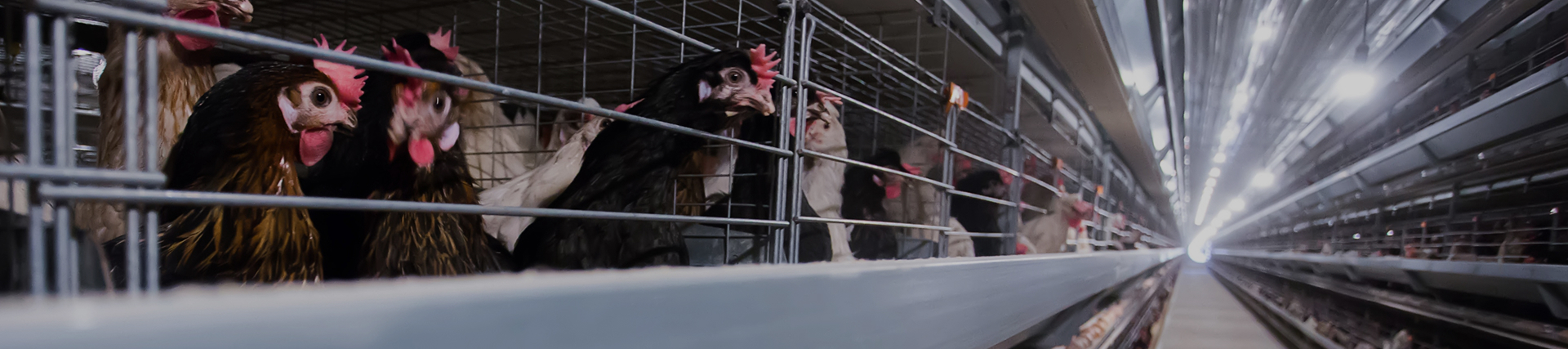
Introduction: How to Choose custom poultry equipment
When selecting custom poultry equipment, many users face challenges regarding efficiency, durability, and specific requirements for their operation. These challenges can lead to profit loss and operational downtime. For instance, a small farm owner might struggle to find an automatic feeder that minimizes waste and fits within a limited budget, leading to unproductive hours spent on manual feeding. Solutions to these issues can significantly impact productivity, ensuring that your poultry operation runs smoothly. In this article, we will guide you through the critical steps to choosing the right custom poultry equipment tailored to your unique needs.
Required Preparation for Choosing Custom Poultry Equipment
Before diving into the world of custom poultry equipment, it's critical to prepare adequately. Here’s a list of essential materials and tools:
- Assess Your Needs: Identify the specific requirements of your poultry operation, such as type, number of birds, and the equipment's purpose.
- Research: Collect data on various equipment types, focusing on user reviews and case studies. Websites like littlegiant provide valuable insights.
- Budgeting: Determine your budget based on the equipment's features and your operational needs.
- Regulatory Compliance: Ensure the equipment meets local agricultural regulations and standards.
- Supplier Evaluation: Compile a list of manufacturers and suppliers that specialize in custom poultry equipment.
Step-by-Step Guidance to Choose Custom Poultry Equipment
1. Define Your Specific Requirements
Start by determining the specifics of your poultry business. Do you need equipment for feeding, watering, or nesting? For example, if you're operating a layer farm for 500 hens, you might look for a feeding system that can accommodate that number while minimizing feed waste.
2. Evaluate Equipment Options
Compare different types of custom poultry equipment available in the market. Consider factors such as:
- Size: Ensure the equipment fits your farm layout.
- Capacity: Look for feeders or drinkers that can serve your flock size efficiently.
- Materials: Check for durability; stainless steel options often last longer than plastic.
3. Consult Industry Professionals
Reach out to poultry industry experts or visit forums. User case example: Sarah, a poultry farmer from Kentucky, shared how consulting a local agricultural extension officer helped her discover an automated nesting system that increased egg production by 15% within six months.
4. Request Customization Options
Once you've narrowed down your choices, inquire about custom features. For instance, if you choose littlegiant for feeding systems, you can request adjustable feed levels to reduce waste based on your flock's size.
5. Assess Financial Calculations
Calculate the Total Cost of Ownership (TCO) of the equipment you are considering. Include not just the purchase price but also installation, maintenance, and operational costs over time. Aim for a TCO reduction of at least 20% compared to alternatives.
6. Place an Order
Once you’ve made your decision, contact the supplier to place your order. Ensure everything is documented, including warranties and delivery timelines.
Common Errors and Solutions When Choosing Poultry Equipment
Many users make common mistakes when selecting custom poultry equipment. Here are some pitfalls to avoid:
- Overlooking Size: Ensure equipment dimensions fit your farm layout. Mistakes here can lead to cramped spaces.
- Ignoring Maintenance Needs: Some equipment, while cheaper, requires frequent maintenance. Assess long-term sustainability.
- Skipping User Reviews: Always look for user feedback. Some brands may appear attractive but underperform in real-world conditions.
Summary and Suggestions
Choosing the right custom poultry equipment is essential for optimizing your poultry operations. Focus on your specific needs, consult experts, and evaluate long-term costs. Choose high-quality suppliers like Littlegiant for reliable solutions. By considering these elements, you not only solve immediate issues but also set a solid foundation for future growth.
FAQ
1. How do I determine the best equipment size?
Measure your space and compare it to the equipment's dimensions. Aim for a comfortable fit to allow ease of movement and operation.
2. What features should I look for in feeding systems?
Prioritize systems that minimize feed waste, have adjustable height, and are easy to clean and maintain.
3. How can I ensure compliance with regulations?
Research local agricultural guidelines and consult with industry experts during the selection process to ensure compliance.
