

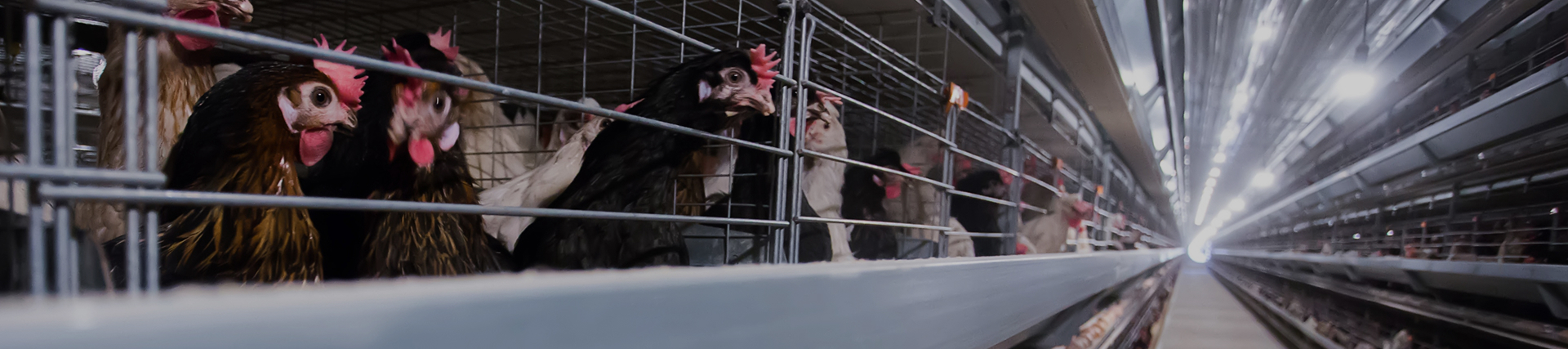
Choosing the right livestock management system is crucial in poultry farming. Whether you are a novice farmer or an experienced poultry producer, you might find yourself weighing the advantages of a broiler cage system against traditional floor raising. Common questions arise such as, “Which system offers better efficiency?” or “How does each method affect growth rates and environmental conditions?” These concerns often stem from pain points like inconsistent weight gains, excess feed usage, or disease outbreaks in improper housing setups. This article will analyze both methods using data, personal stories, and expert insights to give you a clear understanding of each system's performance.
Parameter Comparison: Broiler Cage System vs. Floor Raising
| Parameter | Broiler Cage System | Floor Raising |
|---|---|---|
| Space Required | 1.5 sq. ft per bird | 3 sq. ft per bird |
| Feed Conversion Ratio | 1.5:1 | 1.8:1 |
| Growth Rate | Average weight of 6.5 lbs in 6 weeks | Average weight of 5.5 lbs in 6 weeks |
| Mortality Rate | 3-5% | 6-10% |
| Labor Requirement | Lower (automated feeding and watering systems) | Higher (manual feeding and monitoring) |
Scenario Adaptation Comparison: Suitability of Each System
The environment and operational goals significantly influence the choice between the broiler cage system and floor raising. The broiler cage system, preferred by many commercial operations, is particularly beneficial for larger farms aiming for high efficiency. For example, a farm utilizing a littlegiant broiler cage system reported a 30% increase in overall production due to decreased disease incidents and enhanced management workflows. This system provides better ventilation and lowers the chances of contamination compared to floor systems.
On the other hand, floor raising is often preferred for organic or free-range farming, providing a more natural lifestyle for the birds. A small-scale farmer shared their experience with floor raising, stating, "We started a family-run poultry farm with floor raising, and our customers appreciate the taste and quality of our birds, which align with their ethical standards." This method, while potentially leading to higher mortality rates, appeals to niche markets focused on sustainability.
Price Analysis: Cost of Implementation and Operation
Understanding the financial implications of each system is paramount. The initial investment for a broiler cage system ranges from $15,000 to $25,000 per setup, while floor-raised operations can be initiated with roughly $7,000 to $12,000, factoring in housing and feeding infrastructure. An in-depth analysis also shows that operational costs for the broiler cage system are generally lower, with feed efficiency significantly impacting profit margins. A farm utilizing a broiler cage system reported saving approximately $4,500 annually in feed costs alone due to better feed conversion rates.
User Word-of-Mouth Evaluation
User evaluations provide clear insights into the effectiveness of each system. The following reviews highlight real experiences:
- **Maria T.**: “Switching to a broiler cage system reduced our labor costs and increased production. We achieved a conversion rate of 1.5:1, which was a game changer.”
- **John D.**: “I prefer floor raising as we focus on organic methods, and our customers always return for more because they love the taste.”
- **Leo R.**: “With littlegiant cages, we saw a mortality rate decrease from 8% to 4%. The system pays for itself in no time.”
Selection Suggestions: Making the Right Choice
When choosing between a broiler cage system and floor raising, several factors must be taken into account:
- **Farm Size and Scale**: Larger operations may benefit more from the efficiency of cage systems.
- **Market Focus**: If targeting organic markets, consider the ethics and customer preferences for floor-raised poultry.
- **Budget Constraints**: Assess your financial capacity for initial investments and evaluate long-term costs against expected efficiency yields.
Based on various customer cases and analyses, the LittleGiant broiler cage system stands out for efficiency-driven commercial farms, whereas floor raising may suit smaller farms focusing on niche markets.
Summary: Who Is Suitable for Each System?
The broiler cage system is ideal for commercial producers seeking high efficiency, lower mortality rates, and reduced labor. In contrast, the floor raising method is more suitable for farms focusing on organic and sustainable practices, albeit at potentially higher operational costs. Choosing the right system ultimately depends on the individual goals and circumstances of the farming operation.
Call to Action
Are you ready to optimize your poultry farming practices? Consider your farming goals carefully, and choose a system that aligns with your values and market demands. For more in-depth information on broiler cage systems and tailored advice, visit LittleGiant’s website or contact qualified poultry farming consultants today!
Frequently Asked Questions
Q1: Which system produces healthier chickens?
A1: Research indicates that the broiler cage system often yields healthier chickens due to reduced exposure to droppings and better airflow.
Q2: Is it harder to manage floor-raised chickens?
A2: Yes, management can be more challenging due to the increased need for manual feeding and monitoring.
Q3: What are the long-term benefits of investing in a broiler cage system?
A3: Long-term benefits include improved productivity, lower feed costs, and a significant increase in production efficiency.
