

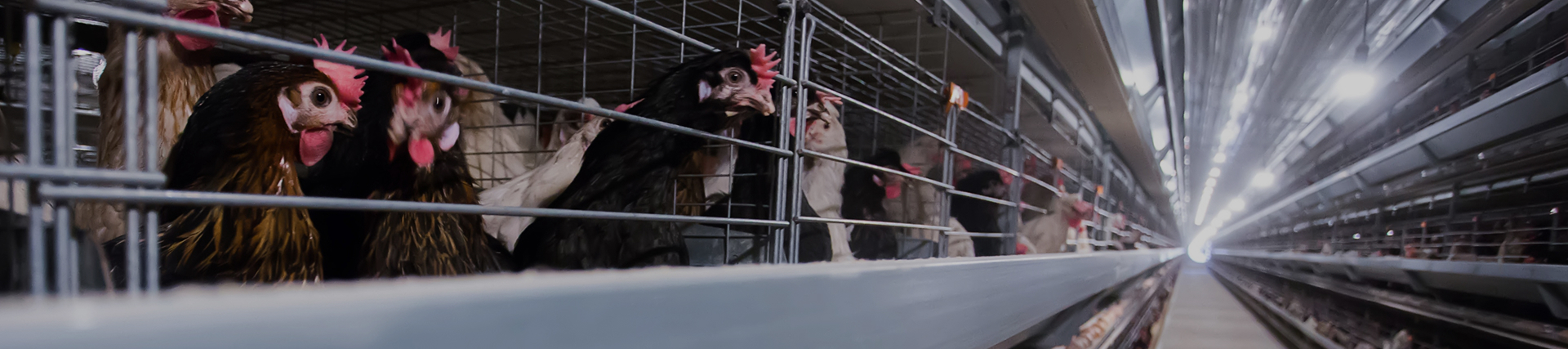
The successful installation of broiler cage systems is crucial for poultry farmers seeking to enhance productivity and ensure animal welfare. Common pain points include the complexity of installation, understanding optimal layout, and ensuring proper ventilation to maximize growth rates. This article provides actionable suggestions that cater to various scenarios, ensuring you can effectively install a broiler cage system, like those offered by **littlegiant**, and improve your overall farm management.
Understanding Broiler Cage System Requirements
Before diving into installation tips, it's essential to analyze the fundamental requirements of a broiler cage system. Proper understanding ensures reduced mortality rates, improved feed conversion ratios (FCR), and optimal space utilization. According to the American Poultry Association, a well-maintained broiler cage system can improve productivity by up to 30% compared to traditional floor systems.
Tip 1: Choose the Right Location for Installation
Why: The location significantly influences the effectiveness of your cage system.
Find a site with good drainage, access to water, and minimal neighboring distractions. This location should also allow for adequate ventilation to prevent heat stress, a leading cause of reduced weight gain. Zoning laws should be reviewed to ensure compliance with local regulations.
Tip 2: Optimize Cage Design and Layout
Why: An efficient design maximizes space and improves bird health.
Map out your cage layout with careful consideration of the number of birds per cage and the type of feed systems utilized. Utilize multi-tier systems for better vertical space usage, which can increase your capacity by 50%, according to industry standards. It's vital to leave adequate space for access and maintenance.
Tip 3: Ensure Proper Ventilation and Temperature Control
Why: Ventilation is critical for health and productivity.
Implement a climate control system that maintains temperature and humidity levels suitable for broilers. Aim for a consistent temperature of 75-78°F (24-26°C) with relative humidity between 40-60%. Failure to maintain these conditions can lead to a drop in feed conversion efficiency by as much as 20%.
Tip 4: Install Effective Feed and Water Supply Systems
Why: Proper feeding is central to maximizing weight gain.
Choose automated feed and water systems that minimize waste and ensure consistent supply. Systems that can deliver feed with a loss rate lower than 5% are ideal. Regular maintenance checks will help keep these systems functioning optimally throughout the broiler rearing cycle.
Tip 5: Implement Regular Health Monitoring and Biosecurity Measures
Why: Health and safety are non-negotiable in poultry farming.
Create regular health check routines and biosecurity protocols to prevent diseases. Training staff to recognize early signs of sickness can reduce disease spread by up to 80%, according to the World Organisation for Animal Health. Develop a vaccination schedule compatible with your system to ensure full coverage.
Tip 6: Utilize Technology for Monitoring and Management
Why: Technology can streamline management and enhance productivity.
Integrate monitoring systems for temperature, humidity, and feed consumption that provide real-time data to managers. Using automated systems can reduce labor costs and improve accuracy, with farms implementing such technologies seeing efficiency improvements of 15-20%.
Key Points Summary
Successfully installing a broiler cage system requires attention to location, design, ventilation, feed systems, health monitoring, and technology use. By following these tips, you can enhance productivity, animal health, and operational efficiency while mitigating common challenges faced by poultry farmers.
Frequently Asked Questions
What is a broiler cage system?
A broiler cage system is a type of housing designed to raise broiler chickens in a controlled environment, allowing for efficient space use and improved sanitation.
What are the benefits of a broiler cage system compared to traditional systems?
Key benefits include better flock management, increased biosecurity, improved animal welfare, and enhanced feed conversion ratios due to reduced space and resource competition.
How can I ensure the well-being of my chickens in a cage system?
Regular health check-ups, providing adequate space, and ensuring optimal environmental conditions are vital for maintaining the well-being of chickens in a cage system.
