

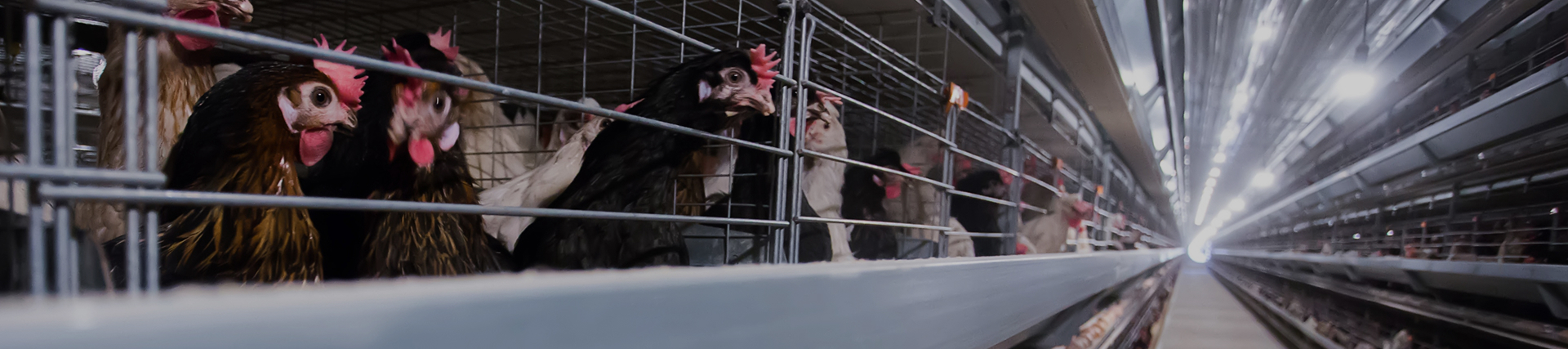
In-Depth Comparison of Automatic Welfare Layer Cage Systems and Traditional Cages
Overview of Cage Systems
The Automatic Welfare Layer Cage System integrates advanced automation technologies, enhancing animal welfare and operational efficiency. In contrast, traditional cages rely on manual labor and simpler mechanisms, often resulting in higher labor costs and potential welfare concerns.
Core Parameter Comparison
| Parameter | Automatic Welfare Layer Cage | Traditional Cage |
|---|---|---|
| Automation Level | High | Low |
| Labor Requirement | Minimal | High |
| Animal Welfare Standards | Advanced | Basic |
| Initial Investment | Higher | Lower |
| Operational Cost | Lower in long term | Higher over time |
Actual User Experiences: Battery Life and Stability
Battery Life in Automatic Systems
The battery life of automatic systems can vary, generally lasting between 12-24 hours depending on usage. Users have noted that the need for regular charging is a consideration in management planning, but the convenience outweighs operational interruptions.
Stability of Operations
Feedback indicates that while Automatic Welfare Layer Cage Systems provide stable operations under normal conditions, users have experienced challenges during extreme weather or power outages. However, the system often provides alerts to prevent loss of efficiency.
Advantages and Disadvantages of Each System
Advantages of the Automatic Welfare Layer Cage System
- Increased efficiency through automation
- Enhanced animal welfare features
- Reduced labor costs over time
- Data tracking for better management and compliance
Disadvantages of the Automatic Welfare Layer Cage System
- Higher initial investment required
- Complexity in operation and training
- Dependence on technology which may require troubleshooting
Advantages of Traditional Cages
- Lower upfront costs
- Simplicity in design and operation
- No dependence on technology
Disadvantages of Traditional Cages
- Higher labor costs in the long term
- Potential animal welfare issues
- Limited operational efficiency
Recommendations for Applicable Groups
Best Fit for Automatic Welfare Layer Cage System
This system is ideal for large-scale operations focused on maximizing efficiency and animal welfare. It suits farms looking to minimize labor costs and improve compliance with welfare regulations.
Best Fit for Traditional Cage Systems
Smaller farms or operations with lower budgets may find traditional cages more viable, especially if they prefer hands-on management and do not have the capital for high-tech investments. Quality management and a commitment to animal welfare are key in these setups.
In conclusion, the Automatic Welfare Layer Cage System presents itself as an innovative solution for modern livestock management, balancing efficiency and animal welfare. For those interested in exploring these advanced systems further, consider how a partnership with littlegiant can enhance your operational capabilities.
