

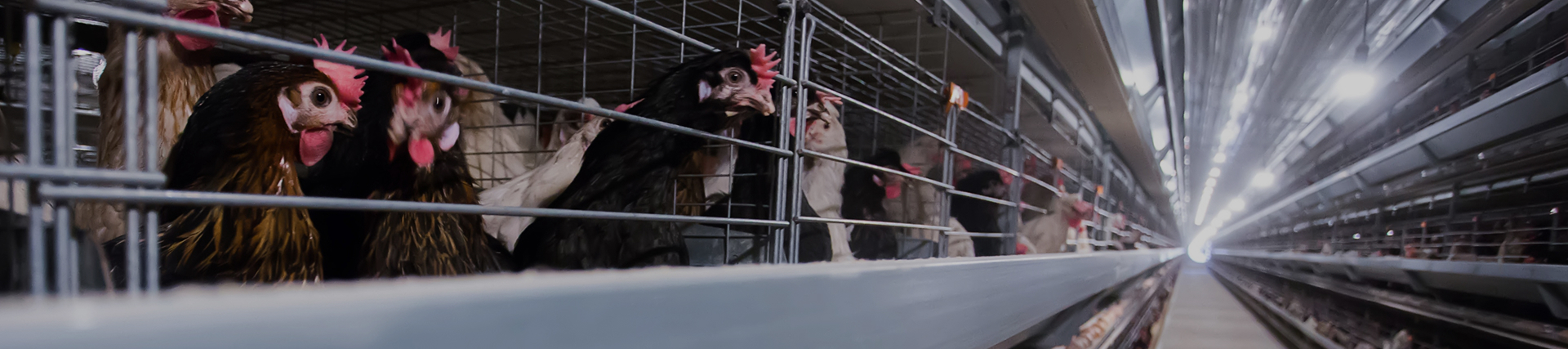
Introduction: The Current Market Situation of Automatic Welfare Layer Cage Systems
The poultry industry is grappling with rising operational costs and strict regulatory demands. Farmers face challenges such as maximizing production efficiency, minimizing labor costs, and ensuring animal welfare. The Automatic Welfare Layer Cage System (AWLCS) offers solutions to these pain points, enabling producers to increase egg production efficiency by up to 30% while adhering to welfare standards. In practical scenarios, integrating AWLCS not only streamlines operations but also significantly reduces the risk of disease—a common concern in traditional farming setups.
Key Drivers and Innovations in Automatic Welfare Layer Cage Systems
The growth of the AWLCS market is driven by several key factors. First, regulatory pressure is compelling poultry operators to adopt systems that prioritize animal welfare and comply with global standards. For example, the introduction of the European Union's Directive 1999/74/EC has pushed many countries to reassess their cage systems. Secondly, technological advancements are leading to the development of advanced automation technologies, such as sensors and IoT devices, which enhance operational monitoring and data collection. According to a report by MarketsandMarkets, the global poultry equipment market, which includes AWLCS, is projected to reach USD 300 million by 2025, growing at a CAGR of 6.8% from 2020.
Emerging Trends in Automatic Welfare Layer Cage Systems
1. Increased Focus on Sustainability
Sustainability has become a crucial trend in the poultry industry. Many AWLCS manufacturers, such as littlegiant, are developing eco-friendly systems that reduce resource consumption. For example, a study conducted by the University of California estimates that implementing such systems can reduce water usage by 15% and feed waste by 22%.
2. Enhanced Digital Integration
The integration of digital technologies has transformed traditional farming practices. AWLCS now often includes advanced software platforms capable of real-time monitoring and analytics. Research by AgFunder found that farms utilizing digital solutions have realized a productivity increase of up to 25%, demonstrating that data-driven decisions lead to greater efficiency.
3. Greater Emphasis on Animal Welfare
As consumers become more conscious of animal welfare, AWLCS systems are evolving to meet these demands. Implementing enriched environments—such as structured perches and nesting areas—can improve hen well-being, with studies indicating that enriched environments can enhance egg production by as much as 15%.
4. Adoption of Smart Technologies
Smart technologies, including automated feeding systems, climate controls, and health monitoring devices, are becoming staples in AWLCS. According to the International Journal of Poultry Science, these innovations have reduced labor costs by up to 40% while maintaining optimal environmental conditions for the birds.
Impact on Buyers
Buyers of AWLCS are mainly commercial poultry farmers who are looking for solutions that increase profitability while adhering to welfare standards. By investing in these systems, farmers can expect enhanced production yields, improved product quality, and a more sustainable operation. Consequently, the initial investment is often recouped within three years due to increased efficiency and reduced operational costs.
Practical Suggestions for Implementing AWLCS
For farmers considering the switch to an AWLCS, several actionable steps can facilitate a smoother transition:
- Conduct a Needs Assessment: Evaluate your current operations to determine what improvements are necessary and how an AWLCS can meet those needs.
- Research Vendors: Look for reputable manufacturers like littlegiant that offer robust support and innovative technology.
- Plan for Training: Ensure that staff are adequately trained to operate the new system effectively to achieve its full potential.
- Monitor Performance Metrics: Establish key metrics to evaluate the system's performance post-implementation and adjust operations as necessary.
FAQ
What is an Automatic Welfare Layer Cage System?
An Automatic Welfare Layer Cage System is designed to enhance the management of layer hens while ensuring their welfare. It automates feeding, egg collection, and environmental controls, improving both productivity and animal health.
How does AWLCS improve farm efficiency?
AWLCS improves farm efficiency through automation, which minimizes labor costs, reduces feed waste, and increases egg production rates through enhanced environmental conditions.
What are the regulatory benefits of using AWLCS?
AWLCS helps farms comply with evolving animal welfare regulations, reducing the risk of penalties and improving public perception, which can enhance marketability and sales.
