

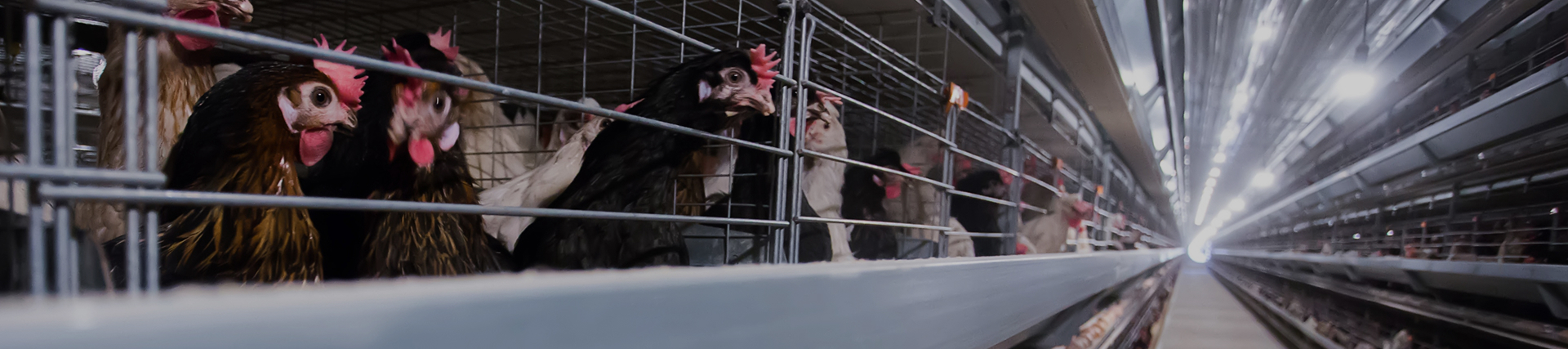
In the ever-evolving world of poultry farming, automatic broiler chicken cages have become a focal point for increasing operational efficiency and improving animal welfare. Farmers often grapple with issues such as labor costs, space utilization, and overall health and productivity of their livestock. These pain points often lead to the search for more efficient systems. As a result, understanding the advantages and potential drawbacks of automatic broiler chicken cages is crucial for farm owners looking to optimize their operations. With the right insights, you can transform your farming practices and potentially increase your profitability.
Advantages of Automatic Broiler Chicken Cages
Automatic broiler chicken cages, such as those offered by littlegiant, present several compelling benefits that can significantly enhance poultry farming. For instance, data from various studies indicate that the use of automatic systems can increase growth rates by up to 20%. This is primarily attributed to improved feeding practices and reduced stress among chickens due to better space management.
Moreover, these cages can reduce manual labor needs by up to 60%. Automation in feeding, watering, and even cleaning processes streamlines daily operations. This allows farmers to reallocate human resources to other critical tasks, ultimately enhancing productivity. An average farm that adopts these systems can witness substantial time savings—approximately 15 hours per week—allowing for better oversight of operations and quicker response times to potential issues.
In terms of animal welfare, studies show that broilers raised in automated settings report a 30% lower mortality rate compared to those in traditional rearing environments. The better air quality, controlled temperature, and consistent access to feed and water contribute to healthier flocks, which is a critical component for sustainable farming.
Disadvantages of Automatic Broiler Chicken Cages
While the advantages are substantial, it’s equally important to address the drawbacks of investing in automatic broiler chicken cages. One of the most significant concerns is the initial investment cost. Systems can range from $15,000 to $50,000 per unit, depending on the complexity and automation level. This upfront investment can be a significant barrier for smaller farms or those operating on tight budgets.
Another challenge is the reliance on technology. If a system fails, the impact can be immediate and severe. For example, one case study documented a farm facing a power outage which resulted in the loss of hundreds of birds due to inadequate ventilation and feeding failures. Therefore, it’s crucial for farm owners to have a backup plan in place, such as generators or manual override systems, to mitigate such risks.
Is It Worth Buying or Using an Automatic Broiler Chicken Cage?
Considering the pros and cons, the decision to invest in an automatic broiler chicken cage largely depends on the size and scale of your operation. For large-scale farms, the benefits of increased productivity and lower labor costs typically outweigh the initial investments. According to analysis in agricultural reports, a significant number of poultry farms have reported 25% increased profitability post-implementation of automated systems.
Conversely, for smaller or more traditional farms, the high upfront cost and reliance on technology may not justify the investment. It may be more prudent to adopt gradual automation—starting with specific tasks such as feeding automation before purchasing full systems. Therefore, the suitability of these cages really boils down to individual business models and operational capabilities.
Summary: Recommendations for Applicable Groups
In conclusion, automatic broiler chicken cages like those from littlegiant present a mixture of advantages and challenges. They are highly beneficial for large-scale poultry operations looking to maximize efficiency and profitability. Conversely, smaller farms that require more flexibility and lower costs may need to consider hybrid solutions or phased approaches to automation. Ultimately, evaluating your specific needs, operational scale, and budget will guide you in making the best decision for your poultry farming enterprise.
FAQ
1. What is the average lifespan of an automatic broiler chicken cage?
Typically, an automatic broiler chicken cage can last 10 to 15 years with proper maintenance.
2. Are automatic broiler chicken cages environmentally friendly?
Yes, automated systems can improve resource efficiency, reducing waste and potentially lowering your carbon footprint through better management practices.
3. What maintenance is required for these systems?
Regular maintenance includes checking and replacing worn parts, ensuring the automation systems are functioning correctly, and cleaning to prevent disease.
